Living with Polycystic Ovary Syndrome (PCOS) can often feel like a constant, uphill battle with your own body. From stubborn hormonal acne and unwanted hair growth to the exhausting “brain fog” and metabolic hurdles, the symptoms are as diverse as they are frustrating.
While conventional treatments are a vital cornerstone of management, more women in 2026 are turning toward “food as medicine” to support their journey. One of the simplest, most soothing, and science-backed ways to complement your PCOS lifestyle is through the power of herbal infusions.
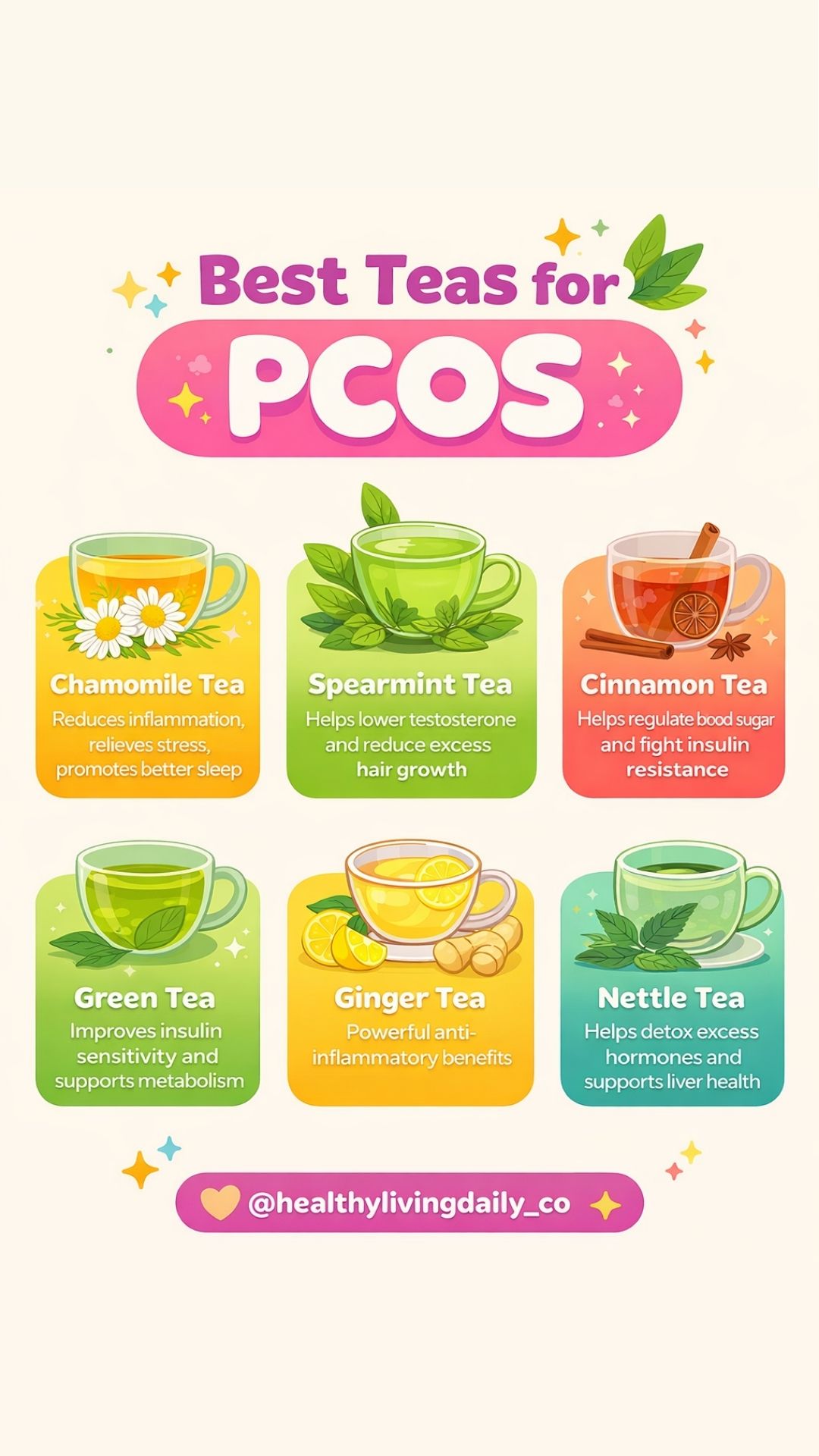
In this guide, we dive deep into the six powerhouse teas that target specific PCOS “pain points”—from lowering testosterone to fighting insulin resistance—helping you reclaim balance, one cup at a time.
Why Herbal Tea is a Game-Changer for PCOS
Herbal teas are more than just flavored water; they are concentrated infusions of bioactive compounds. For the PCOS community (often affectionately called “Cysters”), these teas offer a non-invasive way to manage chronic inflammation and hormonal fluctuations.
1. Spearmint Tea: The Anti-Androgen Hero
If you struggle with hirsutism (excess facial or body hair) or painful cystic acne along the jawline, Spearmint tea should be your new best friend.
How it Works: Clinical studies have shown that spearmint tea has significant anti-androgenic properties. It helps reduce levels of free testosterone in the blood while increasing luteinizing hormone (LH) and follicle-stimulating hormone (FSH).
The PCOS Benefit: By lowering male-pattern hormones, spearmint helps slow down unwanted hair growth and clears up hormonal breakouts.
- Expert Tip: To see results, consistency is vital. Aim for two cups daily—one in the morning and one in the evening—for at least 30 to 60 days.
2. Cinnamon Tea: The Insulin Sensitizer
Insulin resistance is a root driver for nearly 70% of women with PCOS. It leads to weight gain, sugar cravings, and disrupted ovulation.
How it Works: Cinnamon contains compounds that mimic the action of insulin and improve glucose transport into cells. It effectively helps “unlock” your cells so they can use sugar for energy instead of storing it as fat.
The PCOS Benefit: Regular consumption can help regulate menstrual cycles and reduce those intense mid-afternoon sugar crashes.
- Flavor Profile: Cinnamon tea is naturally sweet and warming, making it an excellent replacement for sugary lattes.
3. Green Tea: The Metabolism & Antioxidant Booster
Green tea is a staple in the wellness world, but for PCOS, it serves a very specific purpose.
How it Works: It is packed with Epigallocatechin gallate (EGCG), a potent antioxidant. Research indicates that green tea extract can help reduce fasting insulin levels and free testosterone.
The PCOS Benefit: Green tea supports metabolic health and can assist in weight management—a common challenge for those with PCOS-related metabolic dysfunction. It also provides a gentle energy boost without the jittery “crash” associated with heavy coffee consumption.
4. Chamomile Tea: The Stress & Sleep Support
Stress is a major “flare-up” trigger for PCOS. High cortisol levels can worsen insulin resistance and disrupt the delicate hormonal dance required for ovulation.
How it Works: Chamomile is famous for its apigenin content, an antioxidant that binds to certain receptors in your brain that promote sleepiness and reduce anxiety.
The PCOS Benefit: By lowering systemic inflammation and promoting restorative sleep, Chamomile helps lower the overall “stress load” on your body. It is the perfect “wind-down” ritual to protect your adrenals.
5. Ginger Tea: The Anti-Inflammatory Powerhouse
PCOS is now widely recognized as a state of chronic, low-grade inflammation. This inflammation contributes to both insulin resistance and ovaries producing too much testosterone.
How it Works: Ginger contains gingerols and shogaols, which are powerful anti-inflammatory and antioxidant compounds.
The PCOS Benefit: Beyond soothing the gut, ginger tea is incredibly effective at easing dysmenorrhea (painful period cramps) and reducing the bloating often associated with the PCOS cycle.
6. Nettle Tea: The Detox & Liver Supporter
The liver plays a crucial role in PCOS management because it is responsible for filtering out and “deactivating” excess hormones like estrogen and testosterone.
How it Works: Stinging Nettle is a nutrient-dense herb rich in iron, magnesium, and potassium. It acts as a gentle diuretic and supports the liver’s natural detoxification pathways.
The PCOS Benefit: By helping the body clear out hormone metabolites, Nettle tea can help reduce “hormonal fog,” improve skin clarity, and support overall vitality.
Making It a Routine: Your Daily PCOS Tea Schedule
To get the most out of these botanical allies, try this sample daily flow:
- Morning: A warm cup of Green Tea or Ginger Tea to kickstart metabolism and reduce inflammation.
- Mid-Day: Spearmint Tea (Cup 1) to keep androgen levels in check.
- Afternoon: Cinnamon Tea to stabilize blood sugar and prevent the “3 PM slump.”
- Evening: Spearmint Tea (Cup 2) followed by a relaxing cup of Chamomile before bed.
Avoid the “Sugar Trap”
To keep these teas PCOS-friendly, avoid adding refined sugar or honey, which can spike insulin. Instead, use a squeeze of fresh lemon, a splash of unsweetened nut milk, or a touch of pure Stevia or Monk Fruit.
Quality and Safety Matters
When choosing your teas, quality is paramount. Look for organic, non-GMO, and pesticide-free options. Heavy metals and pesticides found in low-quality tea can act as endocrine disruptors, which is exactly what we want to avoid.
Medical Disclaimer: While herbal teas are generally safe, they can interact with certain medications. If you are currently taking Metformin, Spironolactone, or hormonal birth control, or if you are pregnant or breastfeeding, please consult with your healthcare provider or a registered dietitian before making significant changes to your regimen.
Conclusion: Small Sips, Big Changes
Healing your hormones isn’t about one “miracle cure”; it’s about the cumulative power of small, consistent lifestyle choices. Drinking these six teas provides your body with the antioxidants and phytonutrients it needs to find its rhythm again.
Whether you start with a cup of Spearmint for your skin or Cinnamon for your energy, know that you are taking a proactive step toward a healthier, more balanced version of yourself.
Which of these teas are you most excited to try? Have you noticed a difference in your symptoms after drinking them? Let us know in the comments below or share this guide with a friend who needs some PCOS support!