In the fast-paced landscape of modern American life, stress has become an uninvited guest that refuses to leave. Whether it’s the pressure of a high-stakes career, the constant ping of digital notifications, or the juggle of family life, our “fight-or-flight” response is often stuck in the ‘on’ position.
While we can’t always change our external environment, we can significantly change how our bodies respond to it. Emerging research in nutritional psychiatry suggests that what we put on our plates acts as a powerful modulator of our mood. By shifting our perspective to “Food as Medicine,” we can use specific nutrients to stabilize blood sugar, lower cortisol levels, and repair the oxidative damage caused by chronic tension.
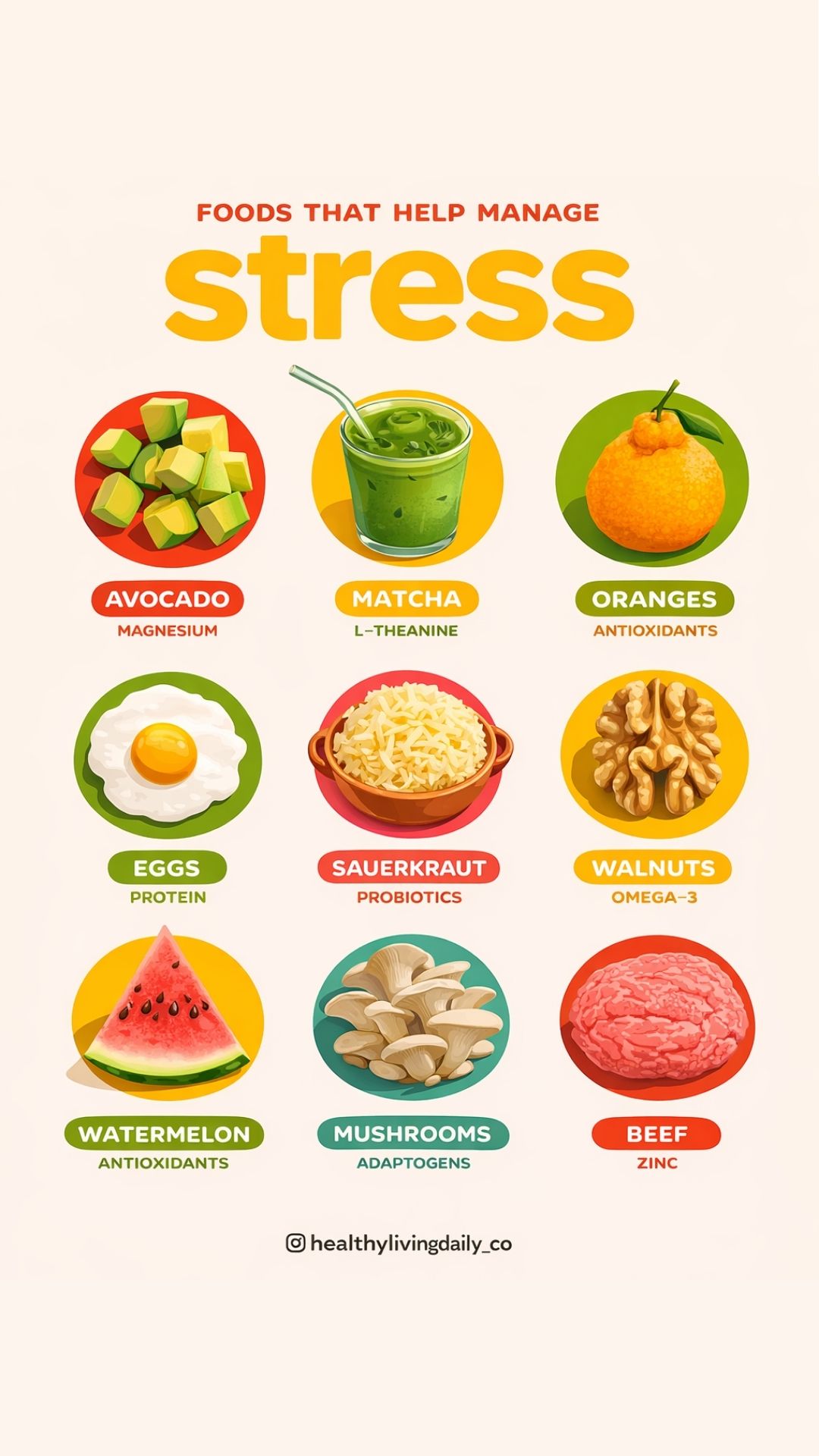
Here are nine nutrient-dense “power players” that can help you build a more resilient mind and body in 2026.
1. Avocado: The Magnesium Powerhouse
Avocados are more than just a trendy toast topping; they are a vital source of magnesium. This essential mineral is often depleted during times of stress, yet it is crucial for regulating the nervous system. Magnesium helps “gate” the stress response, preventing your brain from being overwhelmed by cortisol.
Pro Tip: Incorporate half an avocado into your morning smoothie or mash it onto whole-grain sourdough for a breakfast that keeps your blood sugar—and your mood—stable until lunch.
2. Matcha: L-Theanine for Focused Calm
Unlike the sharp, jittery spike often associated with a standard cup of joe, Matcha provides a sustained, “alert calmness.” The secret lies in L-Theanine, an amino acid that promotes relaxation without drowsiness. It works synergistically with caffeine to sharpen focus while smoothing out the edges of anxiety.
The Switch: Try replacing your 2:00 PM latte with a high-quality Matcha whisked with warm almond milk. It’s a ritual that signals to your brain that it’s time to breathe.
3. Oranges and Watermelon: The Antioxidant Shield
When cortisol levels remain elevated, they create oxidative stress within the body. Oranges are famous for Vitamin C, which has been shown to bounce cortisol levels back to baseline faster after a stressful event. Watermelon adds to this defense with lycopene and high hydration levels—dehydration is a hidden but common trigger for mental fatigue and irritability.
4. Eggs and Grass-Fed Beef: The Building Blocks of Serotonin
Protein isn’t just for muscle; it’s for your mind. Amino acids found in eggs and beef serve as the precursors to neurotransmitters like serotonin and dopamine. Beef, in particular, is a top source of bioavailable Zinc. Low zinc levels have been consistently linked to higher rates of anxiety and depression in clinical studies.
Quality Matters: For the highest nutrient density and environmental ethics, look for “Pasture-Raised” eggs and “100% Grass-Fed” beef at your local grocer.
5. Walnuts: Brain Food in Every Sense
Nature often gives us clues; walnuts look like tiny brains for a reason. They are one of the best plant-based sources of Omega-3 fatty acids (ALA). These healthy fats are essential for maintaining the structural integrity of brain cells and reducing neuro-inflammation, which is a major driver of modern stress.
6. Sauerkraut: Cultivating the Gut-Brain Axis
We now know that the gut is our “second brain.” Roughly 90% of the body’s serotonin is produced in the digestive tract. Fermented foods like sauerkraut introduce beneficial probiotics that communicate with the brain via the vagus nerve, potentially lowering social anxiety and improving overall temperament.
7. Mushrooms: The Adaptogenic Advantage
Mushrooms—particularly varieties like Reishi, Lion’s Mane, and Shiitake—contain adaptogens. These are unique substances that help the body “adapt” to stress by balancing the HPA (hypothalamus-pituitary-adrenal) axis. Instead of a temporary fix, they help your body handle future stress more efficiently.
Your Anti-Stress Daily Menu
Integration is key. You don’t need a restrictive diet; you need a strategic one. Here is how a “Calm Day” might look:
- Breakfast: Two poached eggs and sliced avocado on a bed of greens.
- Lunch: A vibrant grain bowl topped with walnuts, a side of sauerkraut, and grilled chicken or chickpeas.
- Afternoon Ritual: A warm Matcha latte (unsweetened) with a slice of watermelon.
- Dinner: Grass-fed beef stir-fry with a medley of sautéed mushrooms and seasonal vegetables.
Beyond the Plate: Lifestyle Synergy
While nutrition is the foundation, it works best when paired with mindful habits. Try “Single-Tasking” during your meals—put the phone away and actually taste your food. This practice, combined with proper sleep hygiene and daily movement, creates an environment where your body can finally feel safe enough to relax.
Take Control of Your Wellness Journey
Building resilience doesn’t happen overnight, but every meal is a new opportunity to support your mental health.
What is your favorite comfort food that actually makes you feel better? Join the conversation in the comments below!
Disclaimer: This information is for educational purposes and is not a substitute for professional medical advice. Always consult with a healthcare provider before making significant changes to your diet, especially if you have underlying health conditions.