Do you wake up feeling exhausted, only to find yourself “tired but wired” by 10 PM? In our fast-paced American lifestyle, chronic stress isn’t just a feeling—it’s a physiological state driven by a hormone called cortisol.
While cortisol is essential for our “fight or flight” survival mechanism, having it constantly elevated can lead to brain fog, stubborn belly fat, and disrupted sleep. The good news? Your kitchen is one of the most powerful tools you have to bring your hormones back into harmony.
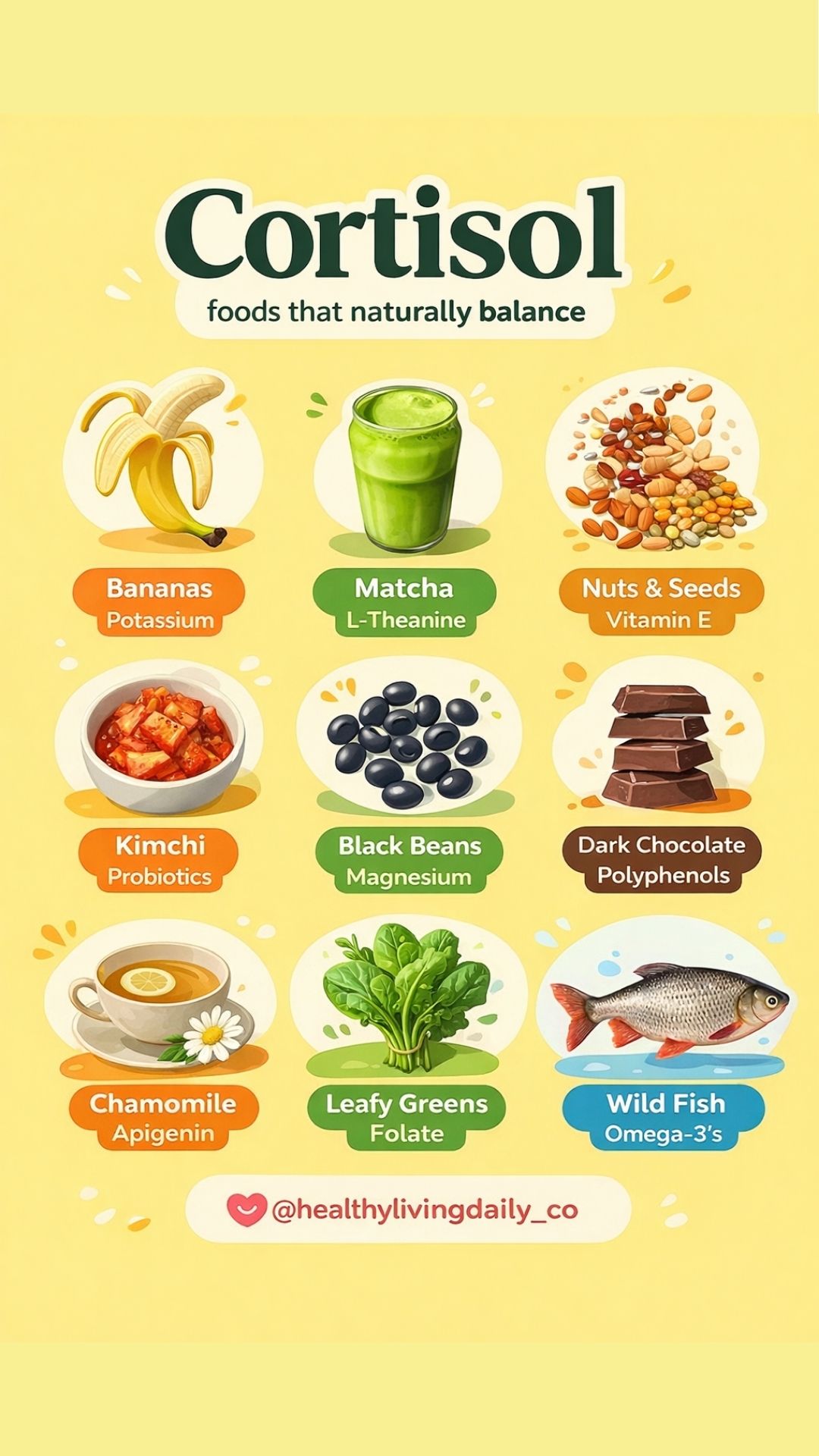
Here are 9 nutrient-dense foods that can help you naturally balance your cortisol levels and reclaim your calm in 2026.
Understanding the Cortisol Connection
Cortisol is produced by your adrenal glands. In small bursts, it’s helpful. But when work deadlines, traffic, and endless notifications keep those levels high, your body stays in a state of emergency. Over time, this depletes your body of essential minerals and vitamins. By focusing on specific “stress-busting” nutrients, you can signal to your nervous system that it is safe to relax.
The Top 9 Cortisol-Balancing Foods
1. Bananas (The Potassium Powerhouse)
When you’re stressed, your blood pressure often rises. Bananas are rich in potassium, an essential electrolyte that helps regulate fluid balance and heart function. Eating a banana provides a quick, portable way to stabilize the physical symptoms of a stress spike.
2. Black Beans (The Magnesium Hero)
Magnesium is often called “nature’s relaxant,” yet many Americans are deficient in it. Stress actually causes your body to excrete magnesium faster. Black beans are an excellent source of this mineral, helping to relax muscles and calm the nervous system.
3. Matcha (L-Theanine for Focused Calm)
Unlike the harsh caffeine crash from coffee, Matcha contains L-theanine. This amino acid promotes relaxation and reduces anxiety without making you drowsy. It provides a “steady” energy that doesn’t trigger the adrenal glands the way a triple-shot espresso might.
4. Dark Chocolate (Polyphenol-Rich Comfort)
Science gives you a green light on this one. High-quality dark chocolate (at least 70% cocoa) is packed with polyphenols and flavonoids. These antioxidants have been shown in clinical observations to reduce emotional stress and lower cortisol excretion.
5. Kimchi (The Gut-Brain Link)
Did you know that 90% of your serotonin—the “feel-good” hormone—is produced in your gut? Fermented foods like Kimchi are loaded with probiotics. By healing your microbiome, you strengthen the Vagus nerve connection between your gut and your brain, making you more resilient to daily stressors.
6. Wild-Caught Fish (Omega-3 Fatty Acids)
Inflammation and cortisol go hand-in-hand. Fatty fish like salmon, mackerel, and sardines are rich in Omega-3s (EPA and DHA). These healthy fats inhibit the overproduction of cortisol and protect your brain cells from the damaging effects of chronic stress.
7. Nuts & Seeds (Vitamin E & Healthy Fats)
Almonds, walnuts, and pumpkin seeds are perfect anti-stress snacks. They are high in Vitamin E, which acts as an antioxidant to combat oxidative stress, and provide the healthy fats necessary for hormone production.
8. Chamomile (Apigenin for Better Sleep)
Chamomile is more than just a sleepy-time tea. It contains an antioxidant called apigenin, which binds to specific receptors in your brain that may decrease anxiety and initiate sleep. Lowering cortisol in the evening is crucial for a deep, restorative sleep cycle.
9. Leafy Greens (Folate & B-Vitamins)
Spinach, kale, and Swiss chard are loaded with folate (Vitamin B9). Folate helps your body produce dopamine, the neurotransmitter responsible for pleasure and motivation. Keeping your B-vitamin levels high ensures your brain can manage mood regulation effectively.
How to Build a Cortisol-Conscious Routine
Integrating these foods doesn’t have to be complicated. Start with these three simple habits:
- The 3 PM Swap: Replace your second or third cup of coffee with a warm Matcha latte to avoid the late-day cortisol spike.
- The “Balanced Plate” Rule: Always pair a leafy green with a healthy fat (like wild salmon or avocado) to keep blood sugar stable.
- A Calming Nightcap: Sip on chamomile tea 30 minutes before bed to signal to your adrenals that the day is done.
Beyond the Plate: Lifestyle Factors
While nutrition is foundational, your body also needs external cues to lower stress. Aim for 10 minutes of direct morning sunlight to reset your circadian rhythm, practice “sleep hygiene” by turning off screens an hour before bed, and choose moderate movement like walking or yoga over high-intensity workouts when you’re feeling burnt out.
Take the First Step Toward Hormonal Balance
Ready to stop feeling “tired and wired” and start feeling like yourself again? Small changes in your diet can lead to massive shifts in your energy and mood.
Disclaimer: This content is for informational purposes only and does not substitute for professional medical advice. Always consult with a healthcare provider before making significant changes to your diet or supplement routine.