If you have been diagnosed with Polycystic Ovary Syndrome (PCOS), you know that it is more than just irregular cycles or stubborn acne. For many women in the United States, PCOS is a daily battle with fatigue, weight gain, and “brain fog.”
While medication has its place, modern nutritional science points toward a powerful, natural ally: Anti-inflammatory nutrition. Emerging research suggests that chronic, low-grade inflammation is a primary driver of insulin resistance and high androgen levels—the two main culprits behind PCOS symptoms. By choosing specific “functional foods,” you can effectively signal your body to lower inflammation and restore hormonal harmony.
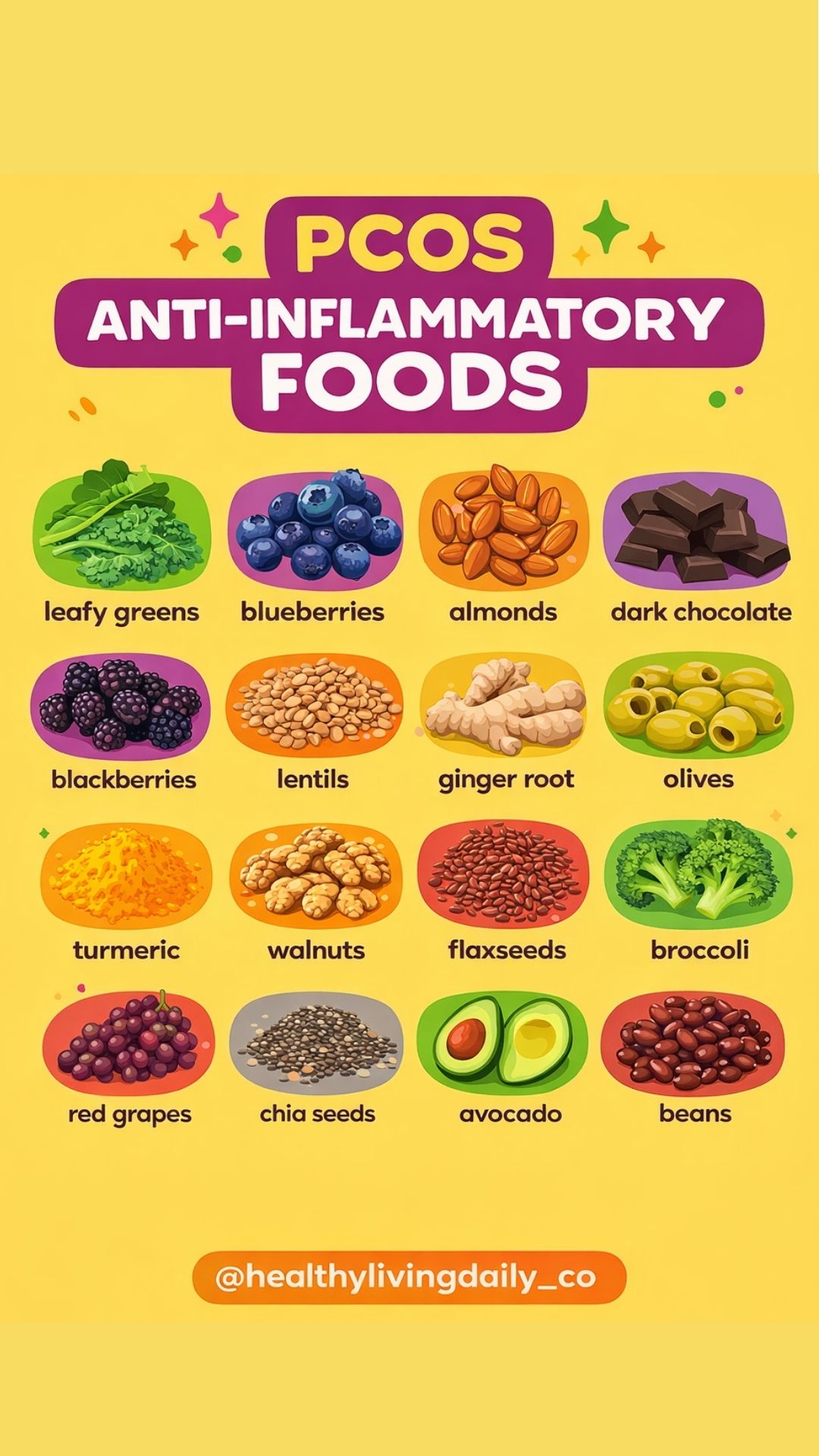
In this guide, we explore 16 science-backed anti-inflammatory foods that deserve a permanent spot in your kitchen this 2026.
Why Does Inflammation Matter for PCOS?
In the medical community, PCOS is increasingly viewed through the lens of metabolic health. Chronic inflammation occurs when your immune system is stuck in a “high alert” state.
For women with PCOS, this internal stressor triggers the ovaries to produce excess testosterone. It also interferes with insulin signaling, making it harder for your body to process glucose, which leads to weight gain around the midsection and sugar cravings. By adopting an anti-inflammatory diet, you aren’t just “dieting”—banning inflammation helps “unclog” your hormonal pathways.
The Power List: 16 Anti-Inflammatory Superfoods for PCOS
Using the latest nutritional data, we have categorized these 16 powerhouse foods to help you build a balanced, hormone-friendly plate.
1. Antioxidant-Rich Berries & Fruits
- Blueberries & Blackberries: These are nature’s “anti-inflammatory pills.” Packed with anthocyanins, they help neutralize oxidative stress that can damage egg quality. Their high fiber content also ensures a slow release of sugar into your bloodstream.
- Red Grapes: They contain resveratrol, a potent polyphenol that studies suggest may help lower testosterone levels and improve menstrual regularity.
2. Healthy Fats for Hormonal Synthesis
Hormones are made from fats. Providing your body with the “right” building blocks is essential.
- Avocados: A staple in any PCOS kitchen. They are rich in monounsaturated fats and potassium, helping to improve insulin sensitivity and keep you full longer.
- Olives: Rich in oleic acid and Vitamin E, olives are a Mediterranean diet secret for reducing systemic inflammation.
- Walnuts & Flaxseeds: These are rare plant-based sources of Omega-3 fatty acids (ALA). Regular consumption has been linked to a reduction in “free” testosterone levels in women with PCOS.
3. Fiber-Packed Greens & Legumes
Fiber is the “secret weapon” for flushing out excess hormones and stabilizing blood sugar.
- Leafy Greens (Kale, Spinach): These are dense in B-vitamins, particularly Folate, which is crucial for those struggling with PCOS-related fertility issues or taking Metformin (which can deplete B-vitamins).
- Broccoli: As a cruciferous vegetable, broccoli contains sulforaphane, which supports the liver in detoxifying excess estrogen.
- Lentils & Beans: These provide a “slow-burn” energy source. As low-glycemic complex carbohydrates, they prevent the insulin spikes that trigger androgen production.
4. Anti-Inflammatory Spices & Extras
- Turmeric & Ginger Root: Known as the “Golden Duo.” Turmeric contains curcumin, which has been shown in clinical trials to reduce insulin resistance. Ginger helps soothe the gut and reduce the systemic inflammation that often causes PCOS-related joint pain.
- Chia Seeds: These tiny seeds pack a massive punch of fiber and protein, making them an excellent addition to stabilize a morning smoothie.
- Dark Chocolate (70%+ Cocoa): Yes, you can have treats! Dark chocolate is high in magnesium—a mineral most women with PCOS are deficient in—which helps reduce stress and improves sleep quality.
How to Build a PCOS-Friendly Meal
Knowing the foods is one thing; knowing how to eat them is another. Nutritionists recommend the “PCOS Plate Method” to keep your hormones stable throughout the day:
- 50% of your plate: Fill with non-starchy vegetables (leafy greens, broccoli).
- 25% of your plate: Add high-quality protein (lentils, beans, or lean organic meats).
- 25% of your plate: Include healthy fats or complex carbs (avocado, walnuts, or a small portion of berries).
Pro Tip: Start your day with a “savory” breakfast. A chia seed pudding or eggs with avocado prevents the mid-morning insulin spike that leads to afternoon fatigue.
Beyond Diet: The Lifestyle Connection
Food is medicine, but it works best when paired with a healthy lifestyle. To truly lower inflammation:
- Prioritize Sleep: Lack of sleep increases cortisol, which directly worsens insulin resistance. Aim for 7-9 hours of quality rest.
- Manage Stress: High stress “steals” progesterone to make cortisol, worsening hormonal imbalances. Try 10 minutes of daily meditation or deep breathing.
- Move Smarter: For many with PCOS, over-exercising (like intense HIIT) can actually increase inflammation. Consider gentle movement like walking, Pilates, or Yoga.
Frequently Asked Questions
Can I eat dark chocolate every day with PCOS? Yes! A small square of 70% or higher dark chocolate is a great source of antioxidants and magnesium. Just be mindful of the sugar content in lower-percentage bars.
How long does it take to see results? While everyone is different, most women report improvements in energy levels and skin clarity within 3 to 6 weeks of consistent anti-inflammatory eating.
Final Thoughts
Managing PCOS is a marathon, not a sprint. By incorporating these 16 foods, you are not just managing symptoms—bypassing the root cause of inflammation allows your body to find its natural rhythm again.
Disclaimer: This article is for informational purposes only and does not constitute medical advice. Always consult with your healthcare provider or a Registered Dietitian before making significant changes to your diet, especially if you are taking medication.