Do you find yourself hitting a “3 PM slump” every day, regardless of how much coffee you drink? Or perhaps you feel a persistent sense of fatigue that sleep just can’t fix? You aren’t alone. Iron deficiency is one of the most common nutritional deficiencies in the United States, affecting energy levels, cognitive function, and immune health.
Iron is the backbone of hemoglobin—the protein in your red blood cells responsible for carrying oxygen from your lungs to the rest of your body. Without enough of it, your tissues and muscles don’t get the “fuel” they need to operate efficiently.
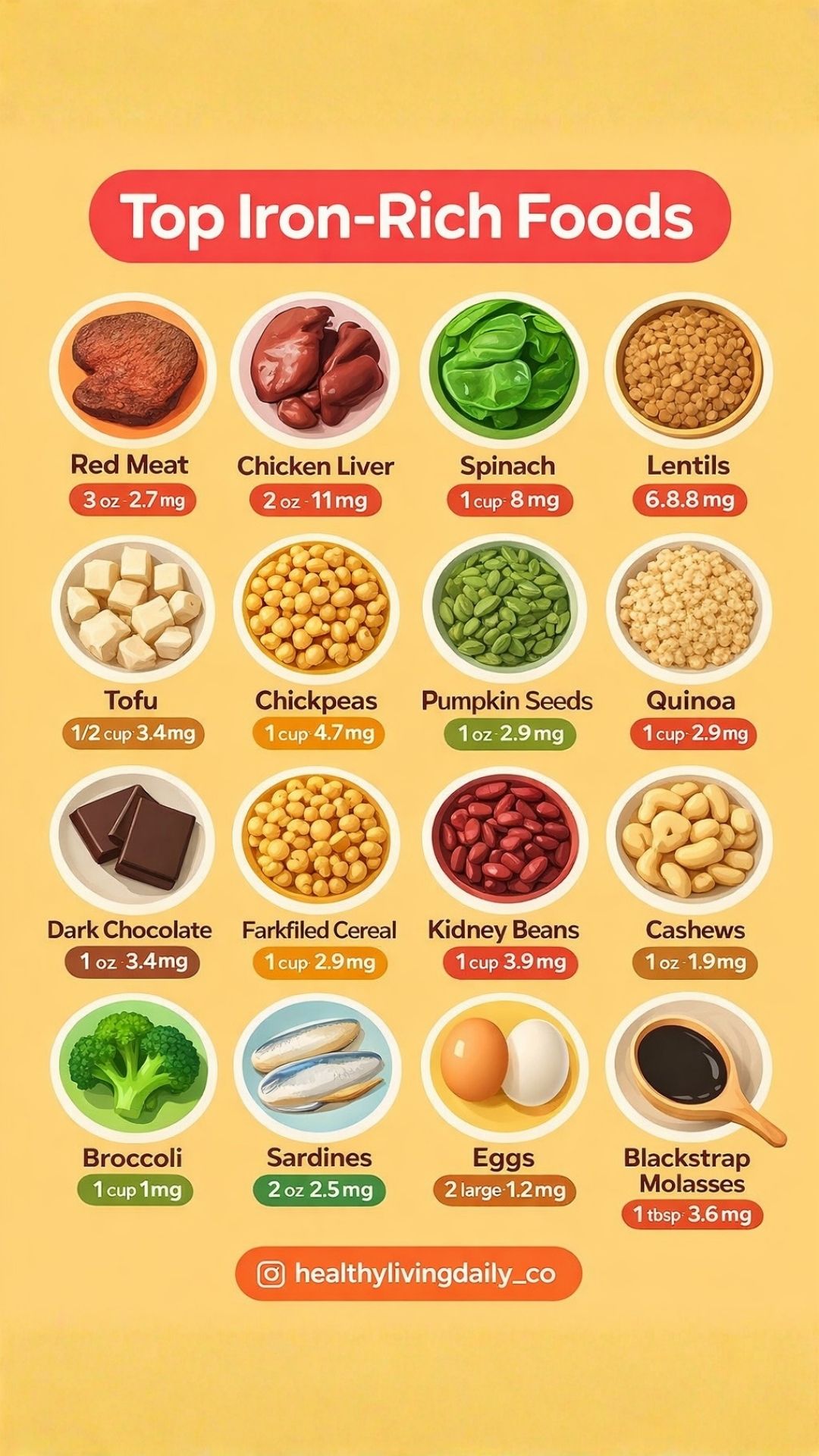
In this guide, we’ll explore the top 16 iron-rich foods to help you revitalize your health, featuring both animal-based and plant-based powerhouses.
Understanding Iron: Heme vs. Non-Heme Iron
Before diving into the list, it is essential to understand that not all iron is created equal. Your body absorbs iron in two different forms:
Heme Iron (Animal Sources)
Found in meat, poultry, and seafood, heme iron is the most bioavailable form. Your body can absorb about 15% to 35% of the heme iron you eat. If you are looking for a quick “boost,” these sources are your best bet.
Non-Heme Iron (Plant Sources)
This type is found in plants and iron-fortified foods. While your body absorbs it less efficiently (about 2% to 20%), non-heme iron is vital for vegetarians and vegans. It also comes packaged with fiber, antioxidants, and other essential phytonutrients.
Top Animal-Based Iron Sources for Maximum Absorption
If your diet allows for animal products, these foods provide a concentrated dose of iron that is easy for your system to process.
- Chicken Liver (11mg per 2oz): Often overlooked, chicken liver is the undisputed heavyweight champion of iron. Just a small serving provides over 60% of the Daily Value (DV) for most adults.
- Red Meat (2.7mg per 3oz): Beef is a staple for a reason. It’s rich in heme iron and vitamin B12, making it a classic choice for combating anemia.
- Sardines (2.5mg per 2oz): These tiny fish are nutritional giants. Not only do they provide iron, but they are also packed with heart-healthy Omega-3 fatty acids.
- Eggs (1.2mg per 2 large): An easy, affordable breakfast staple. While the iron content is modest, the high protein and choline content make eggs a great “all-around” health food.
Best Plant-Based Iron Sources (Vegetarian & Vegan Friendly)
For those leaning toward a plant-forward lifestyle, variety is key. Combining multiple plant sources ensures you hit your daily targets.
The Legume Powerhouse
- Lentils (8.8mg per cup): A fantastic source of iron and protein. Lentils are incredibly versatile in soups, salads, and stews.
- Chickpeas (4.7mg per cup): Whether in hummus or roasted as a snack, chickpeas are a delicious way to keep your ferritin levels up.
- Kidney Beans (3.9mg per cup): Perfect for chili or rice dishes, these beans offer steady energy release.
Leafy Greens & Soy
- Spinach (8mg per cup): Popeye was right. Spinach is a non-heme powerhouse. Pro tip: Lightly steaming your spinach can actually make the iron more accessible than eating it raw.
- Tofu (3.4mg per 1/2 cup): A solid choice for vegans, tofu provides a dense source of iron alongside complete plant protein.
- Broccoli (1mg per cup): While lower in iron, broccoli is high in Vitamin C, which helps you absorb the iron from the other foods on your plate.
Seeds & Grains
- Pumpkin Seeds (2.9mg per 1oz): Also known as pepitas, these make a crunchy, iron-rich topping for oatmeal or yogurt.
- Quinoa (2.9mg per cup): This “super-grain” is gluten-free and significantly higher in minerals than white rice or pasta.
- Fortified Cereals (2.9mg per cup): Many modern cereals are fortified with 100% of your daily iron needs. Check the label to ensure they aren’t also loaded with excess sugar.
Surprising Treats and Snacks
Healthy eating doesn’t have to be boring. You can satisfy your sweet tooth while boosting your blood health.
- Dark Chocolate (3.4mg per 1oz): Aim for at least 70% cocoa. It’s rich in iron, magnesium, and flavonoids.
- Blackstrap Molasses (3.6mg per tbsp): A tablespoon in your morning smoothie or baked goods is an old-school remedy for low iron that still works today.
- Cashews (1.9mg per 1oz): A handful of cashews provides a quick mineral boost and healthy fats to keep you satiated.
How to Maximize Iron Absorption
It’s not just about what you eat, but how you eat it.
- The Vitamin C Connection: Always pair non-heme iron (like spinach or lentils) with Vitamin C. Adding a squeeze of lemon to your greens or eating a bell pepper salad with your beans can increase absorption by up to 300%.
- The “Inhibitor” Rule: Avoid drinking coffee or tea during your high-iron meals. The tannins and polyphenols can block iron absorption. Wait at least one hour after eating before your next caffeine fix.
- Cook in Cast Iron: Cooking acidic foods (like tomato sauce) in a cast-iron skillet can actually leach small amounts of beneficial iron into your meal.
Are You Getting Enough?
Iron deficiency isn’t always obvious, but common signs include:
- Unexplained fatigue or weakness
- Pale skin and brittle nails
- Cold hands and feet
- Shortness of breath or heart palpitations
Key Takeaway Table
| Food Item | Serving Size | Iron Content (mg) | Source Type |
|---|---|---|---|
| Chicken Liver | 2 oz | 11 mg | Heme |
| Lentils | 1 cup | 8.8 mg | Non-Heme |
| Spinach | 1 cup | 8 mg | Non-Heme |
| Chickpeas | 1 cup | 4.7 mg | Non-Heme |
| Dark Chocolate | 1 oz | 3.4 mg | Non-Heme |
| Red Meat | 3 oz | 2.7 mg | Heme |
Final Thought
Consistency is more important than perfection. Start by swapping one low-iron snack for a handful of cashews or pumpkin seeds. Your energy levels—and your heart—will thank you.
Medical Disclaimer: This content is for informational purposes only and does not substitute professional medical advice. Always consult with your healthcare provider or a registered dietitian before making significant changes to your diet or starting new supplements.