In the world of wellness, we often hear about heart health or gut health, but there is a silent hero working behind the scenes to keep you vibrant and puff-free: the lymphatic system. Often described as the body’s “sewage system” or “garbage disposal,” the lymphatic system is responsible for filtering out cellular waste, toxins, and excess fluid.
Unlike the circulatory system, which has the heart to pump blood, your lymphatic system lacks a central pump. It relies entirely on movement, breathing, and—most importantly—the nutrients you consume. In 2026, with sedentary lifestyles and processed diets on the rise, supporting this system through “lymphatic drainage foods” has become a cornerstone of functional medicine and holistic health.
If you are feeling sluggish, waking up with a puffy face, or struggling with “brain fog,” your lymph nodes might be crying out for help. Here is your definitive guide to the 9 best foods for lymphatic drainage.
Why Your Lymphatic System Needs a “Dietary Pump”
Before diving into the grocery list, it is essential to understand the stakes. The lymphatic system moves “lymph”—a clear fluid containing infection-fighting white blood cells—throughout the body. When this system becomes “sluggish,” fluid builds up in the tissues, leading to:
- Water retention (edema) and swollen ankles.
- Weakened immune response and frequent colds.
- Dull skin and stubborn acne.
- Generalized fatigue and heavy limbs.
By incorporating specific foods rich in antioxidants, healthy fats, and hydrating minerals, you provide the chemical signals your body needs to flush the “stagnant” fluid out.
The 9 Powerhouse Foods for Lymphatic Drainage
1. Lemon Water: The Morning Bio-Hack
Starting your morning with a glass of warm lemon water is more than just a trend; it is a physiological reset. Lemons are rich in citric acid and Vitamin C, which help to thin the lymph fluid, making it easier to transport through the vessels.
Pro Tip: Use the juice of half a fresh lemon in filtered water first thing in the morning to stimulate the “flushing” mechanism before your first meal.
2. Dark Leafy Greens: The Chlorophyll Cleanse
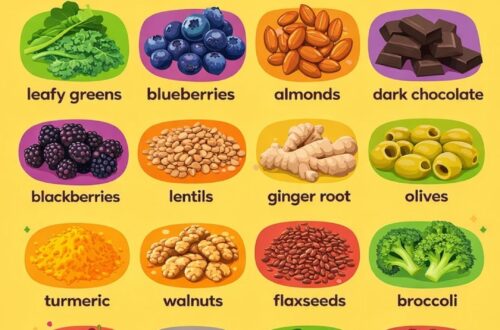
Spinach, kale, and arugula are packed with chlorophyll—the green pigment in plants. Chlorophyll has a unique ability to bind to toxins and heavy metals, assisting the lymph nodes in their filtration process. These greens also provide magnesium, which is essential for the muscle contractions that move lymph fluid.
3. Cucumber: The Ultimate De-Puffer
Cucumbers are comprised of approximately 95% water, but their secret weapon is silica. Silica is a trace mineral that helps strengthen connective tissue while acting as a natural diuretic. If you struggle with morning puffiness under the eyes, adding cucumber to your lunch can help flush out excess sodium and trapped fluids.
4. Ginger: The Thermogenic Catalyst
Ginger is a powerful circulatory stimulant. By increasing the internal temperature of the body and promoting blood flow, ginger indirectly encourages the lymphatic vessels to expand and move fluid more efficiently. It is particularly effective for those who feel “stuck” or heavy after a long day of sitting.
5. Berries: Anthocyanins for Vessel Health
Blueberries, raspberries, and blackberries are loaded with anthocyanins. These antioxidants strengthen the walls of your lymphatic and blood vessels, preventing “leaky” vessels that lead to fluid accumulation in surrounding tissues.
6. Avocado: The Lubricant for Lymph
Since the lymphatic system is the primary route for transporting fats from the digestive tract, the quality of fat you eat matters. Avocados provide monounsaturated fats that help “lubricate” the system. Healthy fats act like a clean fuel, ensuring that the lymph fluid remains at a healthy viscosity rather than becoming thick and congested.
7. Chia and Flax Seeds: The Fiber Filter
Toxins filtered by the lymph system are eventually dumped into the colon. If you are constipated, those toxins can be reabsorbed into the lymph. Chia and flax seeds provide the essential fiber to keep your digestion moving and Omega-3 fatty acids to reduce inflammation in the lymph nodes.
8. Garlic: The Antimicrobial Guard
Garlic is well-known for its antimicrobial properties. By helping the immune system fight off pathogens, garlic reduces the “workload” on your lymph nodes. This allows the system to focus more on waste removal rather than constantly battling low-grade infections.
9. Watermelon: The Deep Hydration Flush
Watermelon contains an amino acid called L-citrulline, which supports the kidneys and the lymphatic system in processing metabolic waste. Its high water content and potassium levels help balance electrolytes, preventing the body from “holding onto” water weight.
Beyond the Plate: Essential Lifestyle Support
While diet is a pillar of health, the lymphatic system thrives on synergy. Pair your 2026 lymphatic diet with these three non-negotiables:
- Rebounding: Five to ten minutes of gentle jumping on a mini-trampoline can increase lymph flow by up to fifteen times.
- Dry Brushing: Use a natural bristle brush to stroke your skin toward your heart before showering. This stimulates the superficial lymph vessels just under the skin.
- Diaphragmatic Breathing: Deep belly breaths act as a physical pump for the deep lymphatic vessels in the chest.
Start Your Detox Journey Today
A sluggish lymphatic system doesn’t have to be your “normal.” By prioritizing these nine foods, you are giving your body the tools it needs to detoxify naturally, boost your energy, and achieve that coveted healthy glow.
Ready to transform your health from the inside out?
👉 [Download our Free 2026 Lymphatic Detox Meal Plan] – Get 7 days of delicious, lymph-boosting recipes delivered straight to your inbox.
👉 [Shop Our Curated Detox Kits] – Support your system with premium, organic seeds and herbal teas designed for maximum drainage.
Disclaimer: This information is for educational purposes and is not intended as medical advice. Always consult with a healthcare professional before making significant changes to your diet or lifestyle.