Good circulation is the silent engine of your health. Think of your vascular system as a vast highway network; when traffic flows smoothly, every organ and muscle receives the oxygen and nutrients it needs to thrive. However, when that “highway” becomes restricted, you might experience fatigue, cold hands, and long-term cardiovascular concerns.
While exercise is vital, your diet is one of the most powerful tools for maintaining flexible, open arteries. In this guide, we explore nine science-backed foods that act as natural vasodilators to optimize your blood flow.
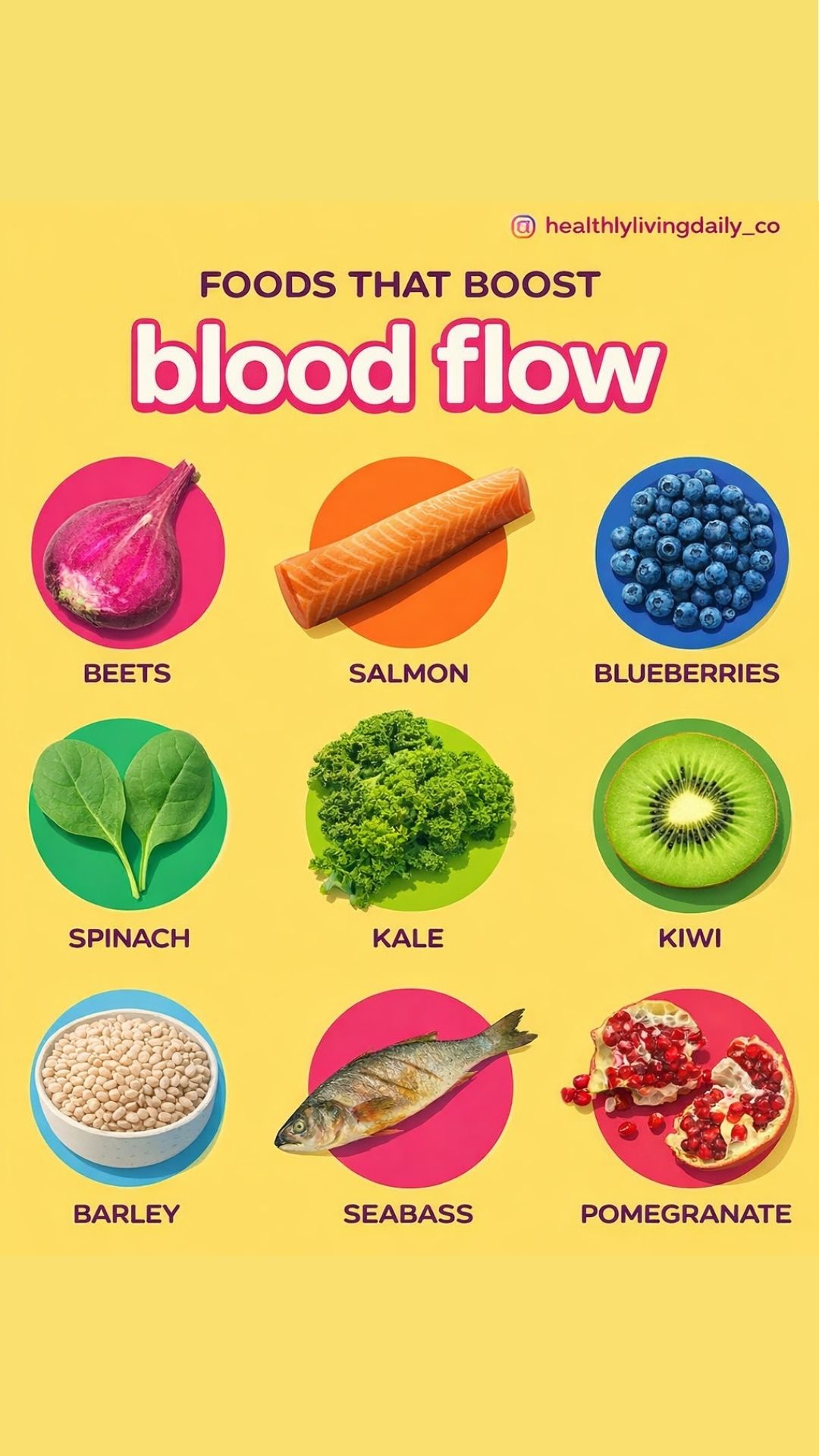
1. The Nitric Oxide Powerhouse: Beets
Beets have transformed from a simple root vegetable into a staple for American athletes and biohackers. The secret lies in their high concentration of dietary nitrates. Your body converts these nitrates into nitric oxide, a gas that relaxes and dilates blood vessels.
Whether you prefer roasted beets in a salad or a glass of cold-pressed beetroot juice, this purple powerhouse significantly lowers blood pressure and improves oxygen delivery to your muscles.
2. Omega-3 Champions: Salmon and Seabass
Inflammation is the enemy of healthy circulation. Fatty fish like Salmon and Seabass are rich in Omega-3 fatty acids, which play a dual role in vascular health. They help prevent the buildup of plaque in your arteries and stimulate the release of nitric oxide.
For the best results, American dietary guidelines suggest opting for wild-caught varieties when possible to maximize the anti-inflammatory benefits and support long-term heart resilience.
3. Leafy Greens: Spinach and Kale
There is a reason why leafy greens are a cornerstone of the heart-healthy Mediterranean and DASH diets. Spinach and Kale are packed with plant-based nitrates that keep your arteries supple.
Beyond nitrates, these greens provide a massive dose of Vitamin K, which is essential for proper blood clotting and protecting your arteries from calcification. Adding a handful to your morning smoothie is an effortless way to “grease the wheels” of your circulatory system.
4. Vascular Protectors: Blueberries and Pomegranate
The lining of your blood vessels, known as the endothelium, is incredibly delicate. Antioxidant-rich fruits like blueberries and pomegranates act as a shield for this lining.
- Blueberries: Contain anthocyanins, which have been shown to improve arterial stiffness and lower blood pressure.
- Pomegranate: Often used in American pre-workout supplements, pomegranates are potent vasodilators that enhance blood flow and oxygenation during physical activity.
5. The Vitamin C Factor: Kiwi
Kiwi is an underrated hero for blood flow. It is exceptionally high in Vitamin C, a nutrient required for the production of collagen. Collagen provides the structural integrity and flexibility that your blood vessels need to expand and contract. Regular consumption of kiwi can also help reduce blood “stickiness,” lowering the risk of clots.
6. Heart Stability with Barley
Whole grains like barley are essential for maintaining a clear path for your blood. Barley is rich in beta-glucan, a type of soluble fiber that helps manage cholesterol levels. By keeping “bad” LDL cholesterol in check, you prevent the narrowing of arteries, ensuring that blood can reach your extremities without resistance.
Optimize Your Heart Health Today
Ready to take control of your cardiovascular wellness? Our team of certified nutritionists can help you craft a personalized meal plan tailored to your specific health goals. [Click here to schedule your free 15-minute consultation]
The Science of Vasodilation: How It Works
Improving circulation isn’t magic; it is biology. Most of the foods mentioned above work through a process called vasodilation. When you consume nitrate-rich or antioxidant-heavy foods, it signals the smooth muscles in your arterial walls to relax. This widening of the vessels allows more blood to pass through with less pressure, reducing the strain on your heart.
Lifestyle Tips for Better Circulation
Diet is your foundation, but these habits will accelerate your results:
- Stay Hydrated: Blood is roughly 90% water. Dehydration makes blood thicker and harder to pump.
- Keep Moving: Even a 20-minute brisk walk daily helps “push” blood from your lower extremities back to the heart.
- Manage Stress: High cortisol levels cause blood vessels to constrict. Practices like deep breathing can offer immediate relief to your vascular system.
Frequently Asked Questions
What are the common symptoms of poor circulation? Common signs include cold hands and feet, numbness or tingling in the extremities, unexplained fatigue, and swelling in the ankles (edema).
How quickly can diet improve my blood flow? Some foods, like beets, can show a temporary improvement in vasodilation within hours. However, long-term changes to arterial health and plaque reduction typically take weeks or months of consistent healthy eating.
Does caffeine help or hurt circulation? In moderation, the antioxidants in coffee or tea can be beneficial. However, excessive caffeine can lead to temporary vasoconstriction (narrowing of vessels) in some individuals.
Take the Next Step: Don’t wait for a checkup to start caring for your heart. Incorporate at least three of these foods into your weekly grocery haul starting today. For more heart-healthy recipes and expert tips delivered straight to your inbox, subscribe to our Health & Wellness Newsletter below.