In the fast-paced landscape of modern American life, anxiety has become an all-too-familiar companion for millions. While lifestyle adjustments and professional therapy are cornerstone treatments, emerging research in nutritional psychiatry reveals a powerful truth: your grocery list might be one of your most effective tools for mental resilience.
The connection between what we eat and how we feel is governed by the gut-brain axis. With roughly 95% of your body’s serotonin—the neurotransmitter responsible for regulating mood—produced in your gastrointestinal tract, the food you consume directly influences your emotional state.
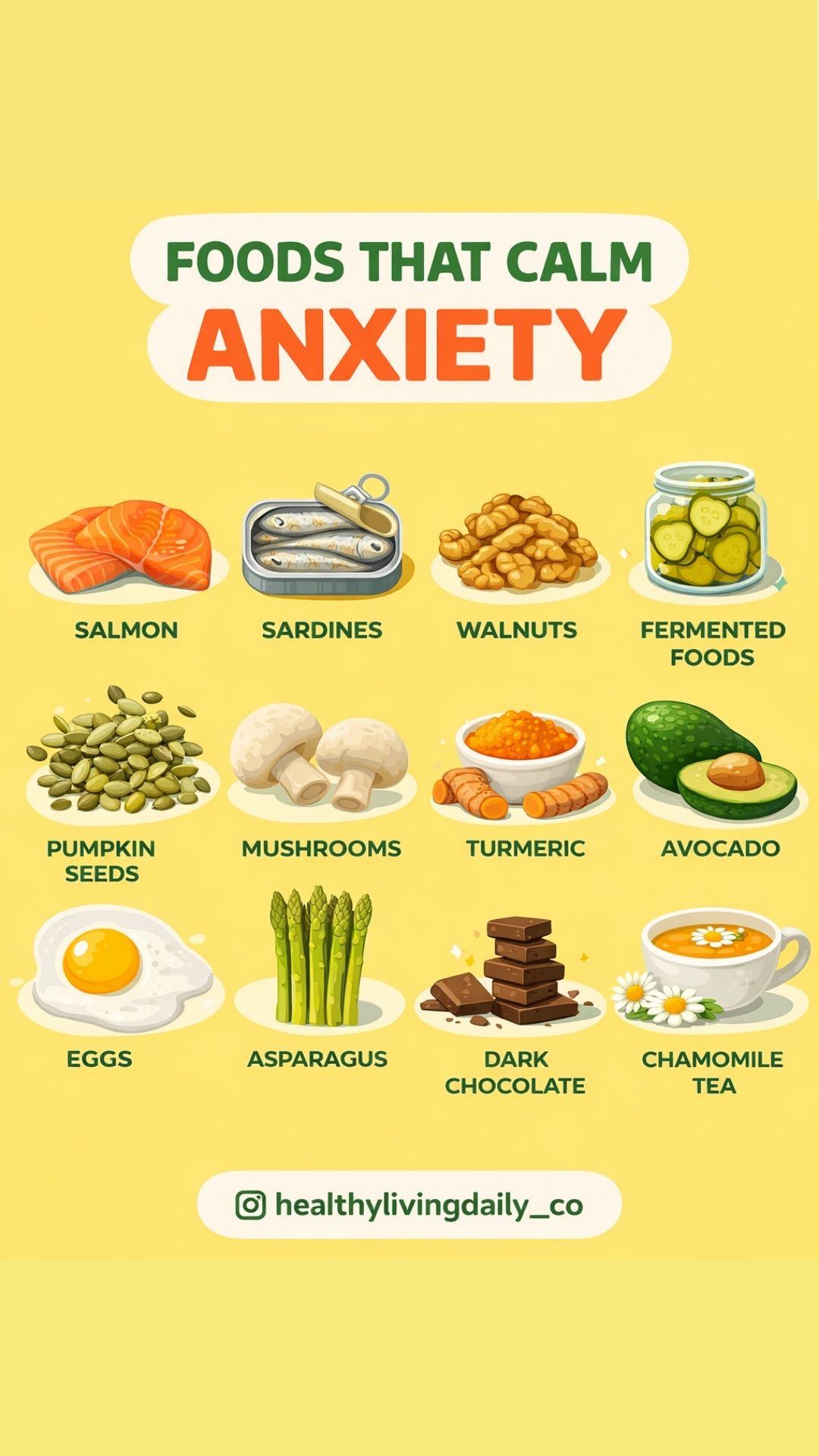
While no single ingredient is a “magic bullet,” incorporating these 12 nutrient-dense foods can help lower cortisol levels, stabilize blood sugar, and support a calmer nervous system.
1. Salmon: The Omega-3 Powerhouse
Salmon is perhaps the most celebrated “brain food” in the U.S. diet. It is exceptionally rich in Omega-3 fatty acids, specifically EPA and DHA. These essential fats are known to reduce systemic inflammation and prevent brain cell dysfunction, which is often linked to high-stress states. Regular consumption helps regulate dopamine and serotonin, providing a biological buffer against anxiety.
2. Sardines: Small Fish, Big Benefits
Often overlooked, sardines are a nutritional goldmine. Like salmon, they provide high concentrations of Omega-3s but with the added benefit of being lower in mercury. They also provide Vitamin B12, a nutrient vital for DNA synthesis and maintaining healthy nerve cells.
3. Walnuts: Brain-Shaped Support
Walnuts are the only nuts that contain significant amounts of alpha-linolenic acid (ALA), a plant-based Omega-3. Studies have shown that walnut consumption is associated with higher energy levels and better concentration. For those looking to manage daily stressors, a handful of walnuts provides the healthy fats necessary to maintain cognitive flexibility.
4. Pumpkin Seeds: The Magnesium Magnet
If you feel “on edge,” you might be low on magnesium. Pumpkin seeds (pepitas) are one of the best natural sources of this mineral. Magnesium plays a critical role in the HPA axis (the body’s stress response system). By regulating the movement of calcium in and out of neurons, magnesium prevents nerves from becoming overexcited, effectively acting as a natural “chill pill.”
5. Fermented Foods: Gut-Health for Mental Wealth
Your microbiome is essentially your “second brain.” Fermented foods like Greek yogurt, kefir, sauerkraut, and kimchi are packed with probiotics. These live bacteria help reduce neuroinflammation and have been shown in clinical trials to decrease social anxiety and improve the body’s response to psychological stress.
Struggling to manage daily stress? [Join our Wellness Newsletter] for weekly science-backed tips on holistic mental health and exclusive nutritional guides delivered to your inbox.
6. Mushrooms: The Vitamin D Connection
Vitamin D deficiency is remarkably common in the United States, especially during winter months, and is strongly correlated with increased anxiety and depression. Mushrooms are one of the few non-animal sources of Vitamin D. They also contain selenium, an antioxidant that helps reduce cellular damage in the brain.
7. Asparagus: The Folate Factor
Research has long linked folate (Vitamin B9) deficiency to mood disorders. Asparagus is a premier source of this nutrient. Folate is essential for the production of neurotransmitters like serotonin and dopamine. Including asparagus in your meals helps ensure your brain has the raw materials it needs to maintain a balanced mood.
8. Turmeric: Curcumin’s Anti-Inflammatory Might
The active compound in turmeric, curcumin, is a potent anti-inflammatory agent. Since chronic inflammation is a known trigger for anxiety, turmeric helps protect the brain from oxidative stress. To maximize absorption, ensure you consume it with a pinch of black pepper, which contains piperine.
9. Avocado: Vitamin B6 and Magnesium Duo
Avocados are rich in Vitamin B6 and magnesium, a combination that helps the body produce serotonin. Their high monounsaturated fat content also helps keep blood sugar stable throughout the day. Stable blood sugar is crucial because “crashes” can often mimic the physical sensations of an anxiety attack, such as a racing heart and shakiness.
10. Eggs: Choline for the Nervous System
Eggs are a complete protein source, but their real secret for anxiety relief is choline. Choline is a precursor to acetylcholine, a neurotransmitter that plays a major role in mood regulation and memory. Furthermore, eggs provide Vitamin D, making them a simple yet effective “mood food” for breakfast.
11. Dark Chocolate: The Flavonoid Effect
Science confirms what we’ve always felt: dark chocolate reduces stress. However, it must be at least 70% cocoa. Dark chocolate is high in flavonoids, antioxidants that increase blood flow to the brain and enhance signaling pathways. It also contains magnesium, which helps the muscles and mind relax.
12. Chamomile Tea: The Natural Sedative
For centuries, chamomile has been used to treat insomnia and anxiety. It contains apigenin, an antioxidant that binds to certain receptors in your brain that may promote sleepiness and reduce anxiety. Sipping a warm cup of chamomile tea in the evening is an excellent way to signal to your nervous system that it is time to decompress.
Building Your Anti-Anxiety Plate
While these 12 foods are powerful, the overall pattern of your diet matters most. Focus on the 80/20 rule: aim for whole, unprocessed foods 80% of the time. Stay hydrated, as even mild dehydration can trigger irritability and brain fog.
By prioritizing these nutrient-dense options, you are not just eating for fuel—bypassing the “Standard American Diet” (SAD)—you are eating for a more resilient, calmer mind.
Disclaimer: This article is for informational purposes only and does not constitute medical advice. If you are experiencing severe anxiety or clinical depression, please consult a healthcare professional or a licensed therapist.