Breathing is something we do roughly 22,000 times a day, yet we rarely think about our lung health until it’s compromised. Whether you are navigating the seasonal wildfire smoke on the West Coast, living in a bustling urban center, or managing chronic conditions like asthma or COPD, your diet plays a pivotal role in how well you breathe.
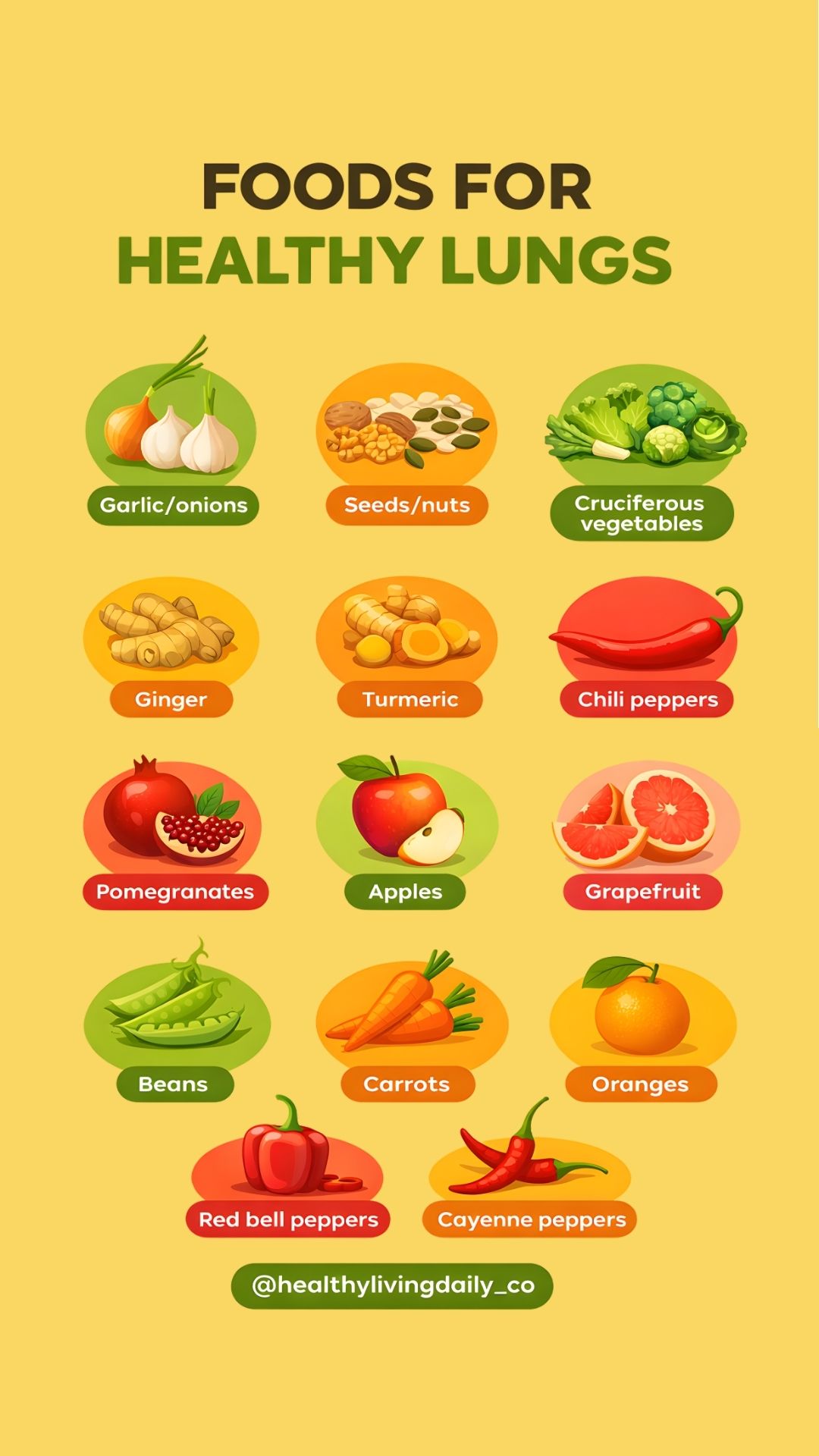
In 2026, the “Food is Medicine” movement has highlighted how specific antioxidants and anti-inflammatory compounds can shield lung tissue from oxidative stress. Here are 14 science-backed foods to include in your lung-healthy diet today.
1. The Power of Aromatics: Garlic, Onions, and Roots
Nature’s most pungent aromatics are also its most powerful respiratory defenders.
- Garlic and Onions: These kitchen staples are rich in allicin, a compound known for its potent antimicrobial and anti-inflammatory properties. Research suggests that allicin helps the body fight off respiratory infections and may even lower the risk of lung cancer.
- Ginger: Known for its warming effect, ginger acts as a natural decongestant. It helps break down mucus and improve circulation to the lungs, making it easier to breathe during allergy season or recovery from a cold.
- Turmeric: The golden spice of life. Its active ingredient, curcumin, is a powerhouse for reducing airway inflammation. For those with chronic bronchial issues, turmeric can help alleviate the tightness and swelling associated with inflamed airways.
2. Cruciferous Vegetables: The Lung’s Armor
Vegetables like Broccoli, Brussels Sprouts, and Cauliflower contain a compound called sulforaphane. This phytochemical helps activate genes in the lung cells that protect the organ from damage caused by environmental toxins and tobacco smoke. Regular consumption of cruciferous greens is consistently linked to better overall lung capacity and lower rates of respiratory decline.
3. Antioxidant-Rich Fruits: Nature’s Protective Shield
Oxidative stress is the primary enemy of lung tissue. These fruits act as a natural shield:
- Apples: High in flavonoids and Vitamin C, apples have been linked to better lung function. A major study found that individuals who ate five or more apples a week had significantly better lung capacity and a lower risk of COPD.
- Pomegranates: These are packed with anthocyanins and tannins that neutralize free radicals before they can damage delicate lung air sacs (alveoli).
- Citrus (Grapefruit & Oranges): These are famous for Vitamin C. This essential nutrient is the primary antioxidant found in the lining of the respiratory tract, helping the body clear out toxins and pollutants more efficiently.
4. Spices that Clear the Air: The Capsaicin Kick
If you’ve ever had your nose run after a spicy meal, you’ve experienced capsaicin in action.
- Chili and Cayenne Peppers: These spicy favorites stimulate the respiratory tract’s secretions. This thinning of the mucus makes it much easier for your lungs to clear out dust, pollen, and other irritants. Furthermore, capsaicin can improve blood flow, ensuring your lungs receive the oxygen-rich blood they need to function optimally.
5. Earthy Staples: Seeds, Nuts, and Beans
For long-term respiratory resilience, look to the earth:
- Seeds and Nuts: Walnuts, flaxseeds, and pumpkin seeds provide Magnesium, a mineral that acts as a bronchodilator—helping the muscles around your airways relax. They are also rich in Vitamin E, which protects lung cell membranes.
- Beans (Legumes): High-fiber diets are increasingly linked to better lung health. Through the “gut-lung axis,” a healthy microbiome fueled by bean fiber helps regulate systemic inflammation, including in the respiratory system.
6. Vibrant Vegetables for Better Oxygenation
- Carrots: Rich in Beta-carotene, which the body converts to Vitamin A. This vitamin is crucial for maintaining the integrity of the mucosal linings in the lungs, acting as the first line of defense against pathogens.
- Red Bell Peppers: Surprisingly, one red bell pepper contains more Vitamin C than three oranges. This massive dose of antioxidants is vital for smokers or those living in high-pollution areas to combat tissue oxidation.
Lifestyle Habits for Peak Performance
While food is foundational, your lungs benefit from a holistic approach:
- Hydration: Water keeps the mucosal linings in the lungs thin, aiding better function.
- Physical Activity: Cardio and deep breathing exercises (like Yoga or Pranayama) strengthen the diaphragm.
- Clean Air: Use HEPA air purifiers at home and avoid indoor pollutants like synthetic fragrances.
Conclusion: Take a Deep Breath
Protecting your respiratory health doesn’t require a radical overhaul—it starts at the grocery store. By incorporating these 14 foods into your weekly meal prep, you are giving your lungs the tools they need to filter, protect, and energize your body.
Frequently Asked Questions
What is the single best fruit for lung health?
While all fruits on this list are beneficial, apples are often cited in clinical research for their specific correlation with improved lung function and reduced risk of chronic respiratory diseases.
Can I “detox” my lungs through diet?
The lungs are self-cleaning, but a diet rich in cruciferous vegetables and antioxidants supports the body’s natural detoxification pathways, helping to clear out environmental pollutants.
Does Vitamin C help with asthma?
Yes, Vitamin C is a potent anti-inflammatory. By reducing oxidative stress in the airways, it can help lessen the frequency of asthma flares and improve overall respiratory comfort.
Disclaimer: This information is for educational purposes only and does not replace professional medical advice.