Are you struggling with persistent fatigue, muscle cramps, or restless nights? You are not alone. According to the National Institutes of Health, nearly half of the US population does not consume enough magnesium from their diet.
Magnesium is an essential “powerhouse” mineral responsible for over 300 biochemical reactions in your body. From regulating blood pressure to supporting muscle and nerve function, it is the silent engine that keeps your body running. In this guide for 2026, we will break down the best high-magnesium foods to help you hit your daily goals naturally.
How Much Magnesium Do You Actually Need?
Before filling your plate, it is crucial to understand the target. The Recommended Dietary Allowance (RDA) varies based on gender and age, but for most healthy adults, the benchmarks are clear:
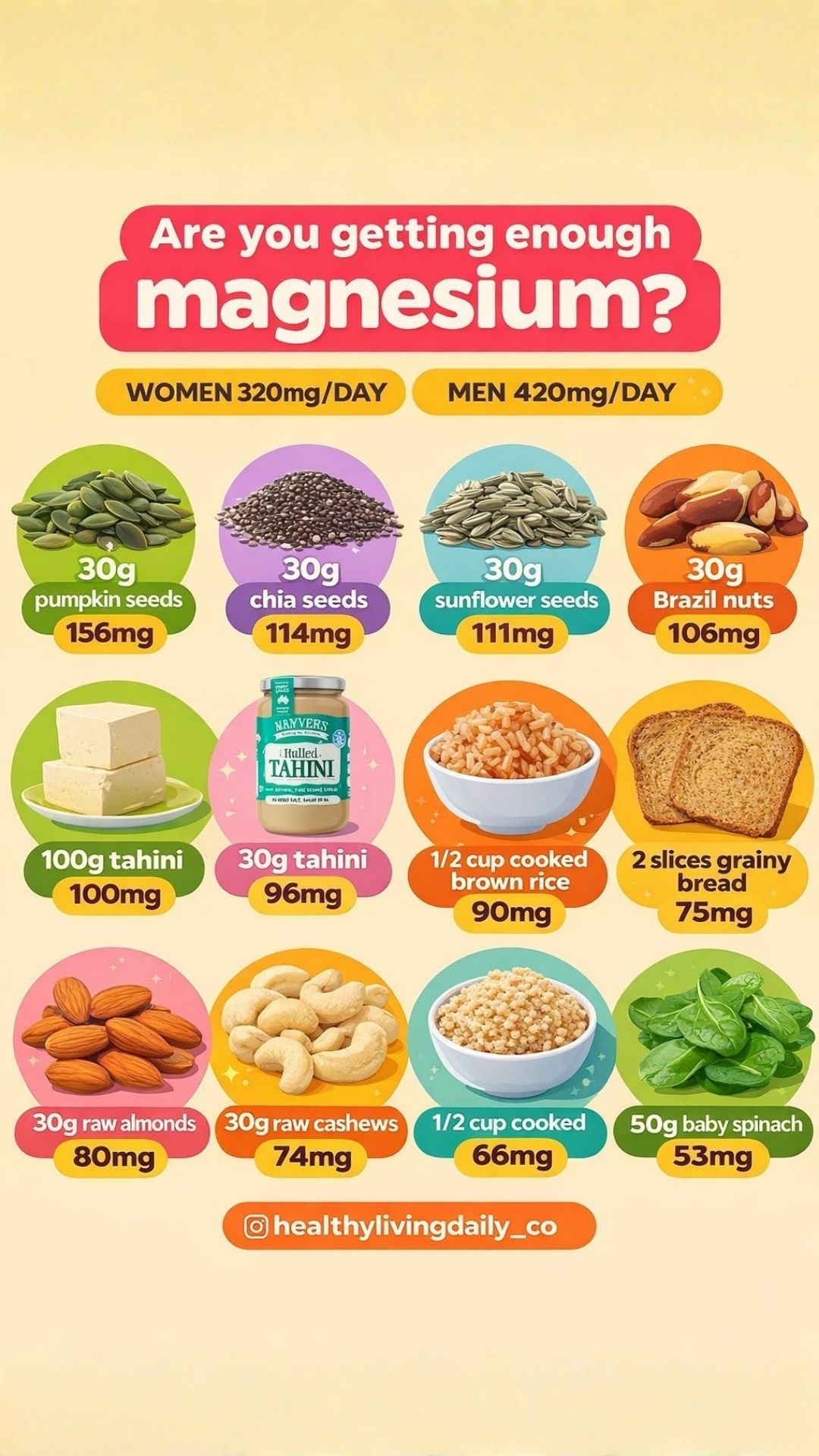
- Women: 320mg per day
- Men: 420mg per day
Individuals with high stress levels, athletes, or those with specific medical conditions may require even more. Meeting these numbers solely through whole foods is not only possible but often superior for absorption compared to supplements.
The Power Players: Top High-Magnesium Seeds and Nuts
When it comes to magnesium density, seeds and nuts are the undisputed champions. Just a handful can get you halfway to your daily requirement.
1. Pumpkin Seeds (Pepitas)
Pumpkin seeds are the “gold medal” winners for magnesium. A small 30g serving (about a quarter cup) delivers a massive 156mg. This covers nearly 50% of a woman’s daily needs in one go.
2. Chia, Sunflower, and Brazil Nuts
- Chia Seeds: These tiny seeds pack 114mg per 30g. They are also excellent for fiber and Omega-3s.
- Sunflower Seeds: A classic snack providing 111mg per 30g.
- Brazil Nuts: Known for selenium, they also offer 106mg of magnesium per 30g.
3. Almonds and Cashews
If you prefer traditional snacks, raw almonds provide 80mg and raw cashews provide 74mg per 30g serving.
Pro-Tip: Always opt for raw or dry-roasted versions to avoid unnecessary oils and sodium that can hinder nutrient absorption.
Beyond the Trail Mix: Surprising Magnesium Sources
If you are not a fan of nuts, there are plenty of other delicious ways to boost your intake through grains and greens.
Tahini: The Mediterranean Secret
Tahini (sesame seed paste) is a concentrated source of minerals. A 30g serving contains 96mg of magnesium. Spread it on toast or whisk it into a creamy salad dressing to upgrade your meal’s nutritional profile.
Whole Grains: Brown Rice and Grainy Bread
Swapping white grains for whole versions is one of the easiest health hacks:
- Cooked Brown Rice: 90mg per 1/2 cup.
- Grainy Bread: 75mg for every 2 slices.
- Quinoa or Couscous: 66mg per 1/2 cup.
Leafy Greens: Baby Spinach
A 50g serving of baby spinach provides 53mg. While the number seems lower than seeds, spinach is low in calories, allowing you to consume larger volumes in smoothies or sautés.
Why Your Body Craves Magnesium
Eating these foods isn’t just about hitting a number; it’s about how you feel. The benefits of maintaining optimal magnesium levels include:
- Superior Sleep Quality: Magnesium helps regulate neurotransmitters that quiet the nervous system, making it easier to fall and stay asleep.
- Muscle Recovery: It acts as a natural calcium blocker to help muscles relax after contraction, preventing painful cramps.
- Heart Health: It supports a steady heartbeat and helps maintain healthy blood pressure levels.
- Natural Energy: Magnesium is required for the production of ATP (adenosine triphosphate), the primary energy currency of your cells.
Sample Meal Plan: A “Magnesium-Rich” Day
Hitting 400mg+ doesn’t have to be complicated. Here is how you can do it:
- Breakfast: 2 slices of grainy bread toasted, topped with 1 tablespoon of tahini and sliced bananas (approx. 120mg).
- Lunch: A large spinach salad with half a cup of quinoa and a sprinkle of sunflower seeds (approx. 230mg).
- Snack: A small handful of almonds (approx. 80mg).
- Total: 430mg — Goal Achieved!
Ready to Transform Your Energy and Health?
Optimizing your mineral intake is the first step toward a more vibrant life. However, every body is unique.
Disclaimer: This content is for informational purposes only and does not constitute medical advice. Always consult with a healthcare professional before making significant changes to your diet or starting new supplements.