If you are one of the millions of women in the U.S. who dread “that time of the month” due to debilitating pain, you aren’t alone. Menstrual cramps, or dysmenorrhea, can disrupt your work, fitness routine, and sleep. While over-the-counter pain relievers are a common go-to, many American women are shifting toward a more holistic approach to menstrual health.
The secret to a smoother cycle might not be in your medicine cabinet, but in your kitchen. This guide explores the science-backed foods that can help you find relief naturally.
The Science: Why Does Period Pain Happen?
Before diving into the menu, it’s essential to understand the “enemy.” Period cramps are primarily caused by prostaglandins—hormone-like substances that make your uterine muscles contract. Higher levels of prostaglandins are linked to more severe cramping and inflammation.
By choosing specific nutrients, you can naturally inhibit these chemicals, relax smooth muscle tissue, and balance your inflammatory response.
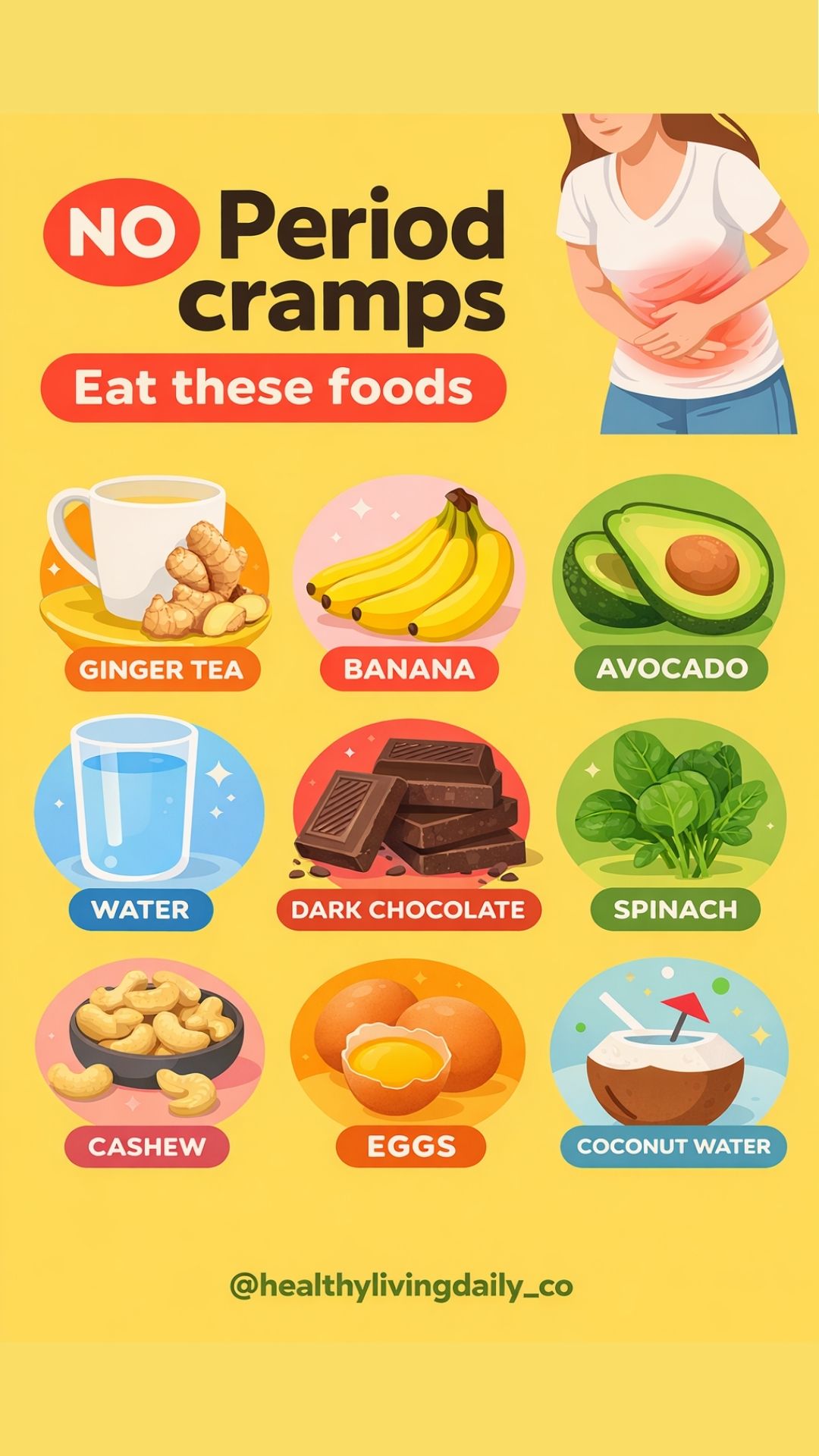
9 Power Foods to Reduce Period Cramps
1. Ginger Tea: The Ultimate Anti-Inflammatory
Ginger is more than just a kitchen staple; it’s a potent medicinal root. Studies have shown that ginger can be as effective as ibuprofen for relieving period pain. It contains gingerols, which block the production of prostaglandins.
- How to use: Steep fresh ginger slices in hot water with a squeeze of lemon. Start sipping this 2-3 days before your period begins for maximum preventative effect.
2. Bananas: The Bloat-Buster
Rich in potassium and Vitamin B6, bananas are a powerhouse for menstrual health. Potassium helps flush out excess sodium, reducing the water retention and painful bloating that often accompany cramps.
- Pro Tip: Add a banana to your morning smoothie to keep muscle contractions at bay.
3. Avocado: Hormone-Balancing Healthy Fats
Avocados are loaded with Omega-3 fatty acids and Vitamin E. These nutrients act as natural anti-inflammatories that soothe the uterus and support overall hormone production.
- Entity Connection: Healthy fats are crucial for the synthesis of hormones that regulate your cycle.
4. Hydration Duo: Water & Coconut Water
Dehydration causes your body to hold onto water, leading to more discomfort.
- Pure Water: Drinking at least 8-10 glasses helps prevent the “puffy” feeling.
- Coconut Water: Often called “nature’s Gatorade,” it’s packed with magnesium, potassium, and calcium—essential electrolytes that act as natural muscle relaxants.
5. Dark Chocolate: The Guilt-Free Remedy
Yes, you have a scientific reason to crave chocolate! Dark chocolate (at least 70% cocoa) is incredibly high in magnesium. Magnesium helps relax the uterine muscles and boosts dopamine and serotonin levels to help stabilize period-related mood swings.
Struggling with painful cycles? [Download our 2026 Menstrual Wellness Calendar] to track your symptoms and plan your nutrition perfectly.
6. Spinach: Iron & Magnesium Powerhouse
During menstruation, you lose iron through blood loss, which can lead to fatigue and brain fog. Spinach is an excellent plant-based source of iron and magnesium, helping you maintain energy while relaxing the muscles.
7. Cashews: The “Zen” Snack
Cashews provide a concentrated dose of magnesium. Since magnesium deficiency is common in the U.S., snacking on these nuts can help reduce the frequency of muscle spasms and improve sleep quality during your cycle.
8. Eggs: The Vitamin D Essential
Low levels of Vitamin D have been linked to more severe menstrual pain. Eggs are one of the few food sources of Vitamin D, along with Vitamins B6 and E, making them an ideal breakfast choice for cramp prevention.
What to Avoid: The “Cramp Triggers”
To make these foods work effectively, you should limit “inflammatory” triggers during your period:
- High-Sodium Foods: Canned soups and processed snacks increase bloating.
- Caffeine: It can constrict blood vessels (vasoconstriction), which may intensify uterine cramps.
- Refined Sugars: These cause blood sugar spikes that fuel systemic inflammation.
Beyond the Plate: Lifestyle Integration
While nutrition is your foundation, a multi-faceted approach yields the best results:
- Heat Therapy: A heating pad increases blood flow to the pelvic area.
- Gentle Movement: Low-impact yoga or a 20-minute walk can release endorphins, your body’s natural painkillers.
- Sleep Hygiene: Aim for 8 hours of rest to allow your body to recover from the inflammatory process.
Conclusion: Take Control of Your Cycle
Your period doesn’t have to be a monthly obstacle. By fueling your body with anti-inflammatory “power players” like ginger, dark chocolate, and leafy greens, you can take a proactive stance against menstrual pain.
Ready to transform your wellness journey? If you found these tips helpful, join our 2026 Wellness Community for weekly nutrition guides, expert interviews, and exclusive discounts on natural health products.
👉 [Sign Up for Our Newsletter & Get a Free ‘Cycle-Syncing’ Grocery List]
Disclaimer: This content is for informational purposes only and does not substitute for professional medical advice. Always consult with a healthcare provider regarding severe menstrual pain or underlying conditions like endometriosis.