When we think about hydration, the first thing that comes to mind is usually a tall glass of water. But have you ever felt thirsty even after drinking liters of it? That is because hydration is a chemical process that requires more than just $H_2O$. To truly hydrate your cells, your body needs electrolytes.
Electrolytes are essential minerals—including sodium, potassium, magnesium, and calcium—that carry an electric charge. They are responsible for muscle contractions, nerve signaling, and maintaining the delicate pH balance in your blood. While many Americans reach for neon-colored sports drinks to replenish these minerals, nature offers a much cleaner, more nutrient-dense alternative.
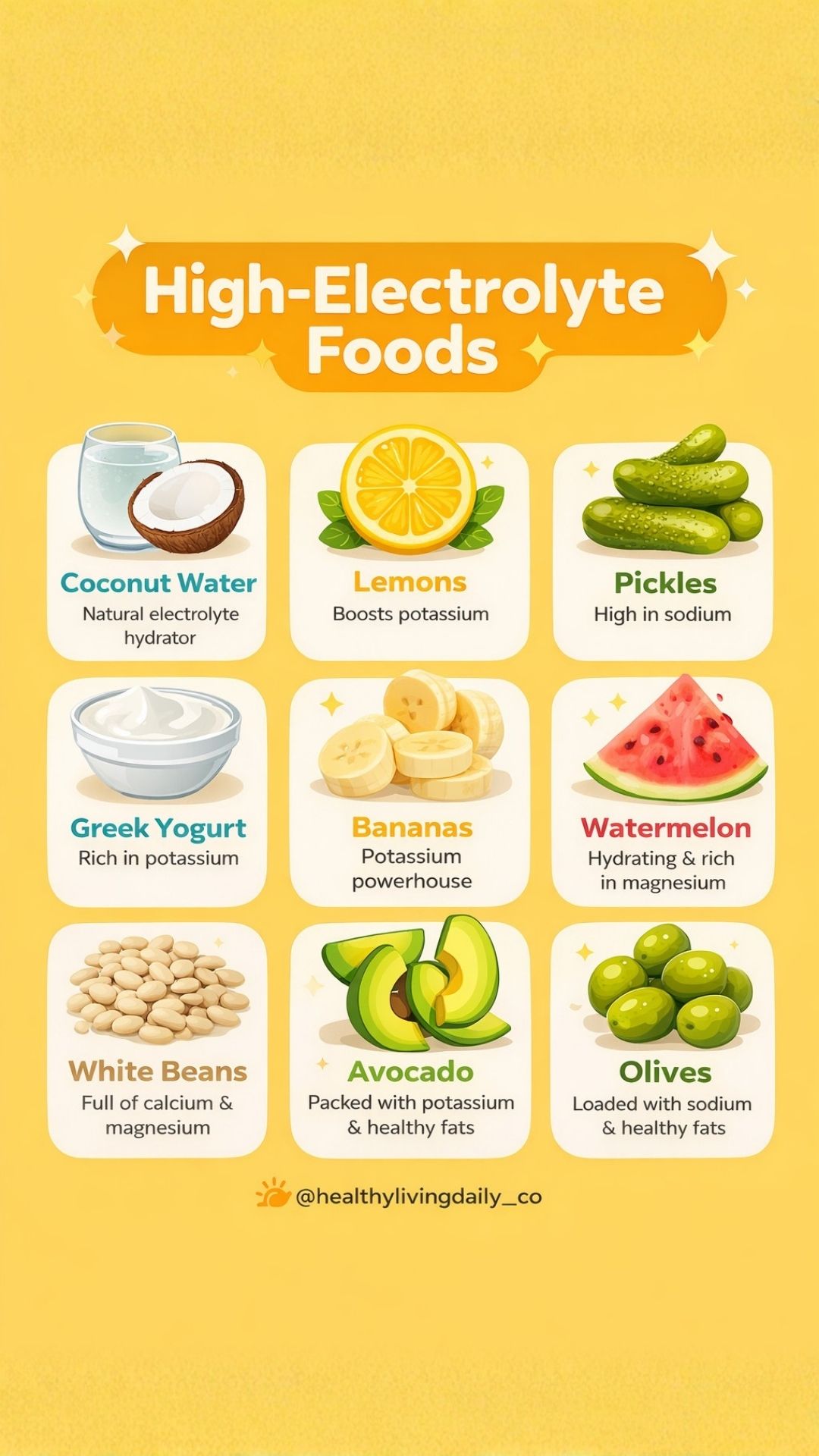
In this guide, we explore nine high-electrolyte foods that can help you stay hydrated, energized, and balanced without the added sugars and artificial dyes found in processed beverages.
The Problem with Modern Sports Drinks
The standard American sports drink is often marketed as a health necessity for anyone breaking a sweat. However, a single bottle can contain upwards of 30 grams of sugar and various artificial additives. For the average person—and even many amateur athletes—these “recovery” drinks can lead to insulin spikes and unnecessary caloric intake.
Transitioning to whole foods allows you to replenish your mineral stores while also benefiting from fiber, vitamins, and healthy fats.
1. The Liquid Hydrators
Coconut Water: Nature’s Gatorade
Coconut water is perhaps the most famous natural electrolyte source. It is exceptionally high in potassium and contains moderate amounts of sodium and magnesium. Health experts often recommend it as a bio-available alternative to synthetic drinks because its electrolyte profile closely mimics human blood plasma.
Watermelon: The Ultimate Summer Recovery
Watermelon is roughly 92% water, making it a powerhouse for fluid intake. Beyond its water content, it is rich in magnesium and contains L-citrulline, an amino acid that has been shown to reduce muscle soreness after exercise. It is the perfect post-workout snack for those hot US summer months.
2. The Potassium Powerhouses
Bananas: The Classic Cramp Preventer
Bananas are the “go-to” for athletes for a reason. They provide a quick-digesting carbohydrate source paired with a significant dose of potassium. This combination helps prevent the muscle cramps and spasms often associated with electrolyte depletion.
Lemons: Vitamin C Meets Hydration
Adding a squeeze of fresh lemon to your water does more than just improve the flavor. Lemons provide a boost of potassium and magnesium. Furthermore, the citric acid in lemons can help improve the absorption of other minerals you consume throughout the day.
Greek Yogurt: The Protein-Electrolyte Hybrid
A staple in American breakfast routines, Greek yogurt is an unsung hero of hydration. It is rich in both potassium and calcium. Calcium is vital not just for bone health, but for the electrical signaling that allows your heart and muscles to function correctly.
Avocado: The True Potassium King
While bananas get all the credit, avocados actually contain more potassium per serving. They also provide healthy monounsaturated fats, which help your body absorb fat-soluble vitamins (A, D, E, and K). Including avocado in your diet ensures long-term cellular health and sustained energy levels.
3. The Savory Sodium & Mineral Boosters
Pickles: The Athlete’s Secret Weapon
Sodium is the electrolyte we lose most through sweat. While too much salt is a concern for some, active individuals need to replace what they lose. The “pickle juice” trend in the US fitness community isn’t just a fad—pickles provide a concentrated dose of sodium that can stop a muscle cramp in its tracks almost instantly.
Olives: Salty Snacks with Heart-Healthy Benefits
Olives are a fantastic source of sodium and healthy fats. For those who engage in high-intensity interval training (HIIT) or long-distance running, snacking on a few olives can help maintain blood pressure and fluid balance during recovery.
White Beans: The Mineral-Dense Superfood
White beans (such as Cannellini or Great Northern beans) are full of calcium and magnesium. Magnesium is often referred to as the “relaxation mineral” because it helps muscles recover and improves sleep quality—a crucial component of the hydration and recovery cycle.
Why Whole Foods Beat Processed Beverages
Choosing whole foods over bottled drinks provides a “synergistic effect.” When you eat an avocado, you aren’t just getting potassium; you are getting fiber that slows down digestion and healthy fats that support brain health.
Furthermore, eating your electrolytes provides satiety. A sports drink leaves you hungry and often craving more sugar. A snack of Greek yogurt with sliced bananas and a sprinkle of seeds keeps you full, fueled, and hydrated for hours.
Practical Ways to Incorporate These Foods
Integrating these items into your daily US lifestyle is simpler than you might think:
- The Morning Kickstart: Swap your cereal for Greek yogurt topped with sliced bananas and a squeeze of lemon.
- The “Hydration Salad”: Mix cubed watermelon with feta cheese, olives, and a sprig of mint for a refreshing lunch.
- Post-Workout Fuel: Blend coconut water, a frozen banana, and a scoop of protein powder for a clean recovery shake.
- Smart Snacking: Keep a jar of pickles or a small container of olives in your fridge for a quick mineral boost after a long walk or gym session.
Summary
Staying hydrated in 2026 doesn’t require expensive powders or neon drinks. By focusing on nutrient-dense, high-electrolyte foods like coconut water, avocados, and white beans, you can support your body’s natural functions more effectively.
Start small: Choose two foods from this list to add to your grocery cart this week and feel the difference in your energy and recovery.
Frequently Asked Questions
What are the symptoms of low electrolytes? Common signs include muscle cramps, fatigue, dizziness, headaches, and an irregular heartbeat. If you experience these after a workout, you likely need to replenish your minerals.
Can I get enough electrolytes from food alone? For most people living a moderately active lifestyle, a balanced diet rich in fruits, vegetables, and legumes provides all the electrolytes needed. Only extreme endurance athletes typically require specialized supplementation.
Is coconut water better than Gatorade? For general hydration and moderate exercise, yes. Coconut water provides natural potassium and less sugar. However, for intense exercise lasting over 90 minutes, you may need a higher sodium source alongside it (like a few pickles or olives).
Are you ready to optimize your health and performance? Join our wellness community today! Sign up for our Natural Health Newsletter to receive exclusive hydration guides, meal plans, and expert tips delivered straight to your inbox every week.
[Click Here to Subscribe and Get Your Free Hydration Cheat Sheet!]