They say your eyes are the window to your soul, but in reality, they are a reflection of your daily nutrition. In an era where digital eye strain from screens is at an all-time high and age-related vision concerns are growing among Americans, what you put on your plate has never been more critical.
While genetics play a role, lifestyle choices—specifically your diet—are a primary pillar of ocular health. This guide explores the most nutrient-dense foods backed by nutritional science to help you maintain crystal-clear vision well into the future.
Why Your Diet Matters for Your Eyes
The eye is a highly vascular organ that is constantly exposed to light and oxygen, making it susceptible to oxidative stress. Scientific research, most notably the AREDS and AREDS2 (Age-Related Eye Disease Studies) conducted by the National Eye Institute, has proven that specific high-dose nutrients can significantly reduce the risk of advanced age-related macular degeneration (AMD) and cataracts.
To protect your sight, you need a steady intake of:
- Lutein and Zeaxanthin: Antioxidants that act as “internal sunglasses.”
- Vitamin C and E: Protectors against cellular damage.
- Omega-3 Fatty Acids: Essential for retinal function and tear production.
- Zinc and Vitamin A: Vital for night vision and overall eye structure.
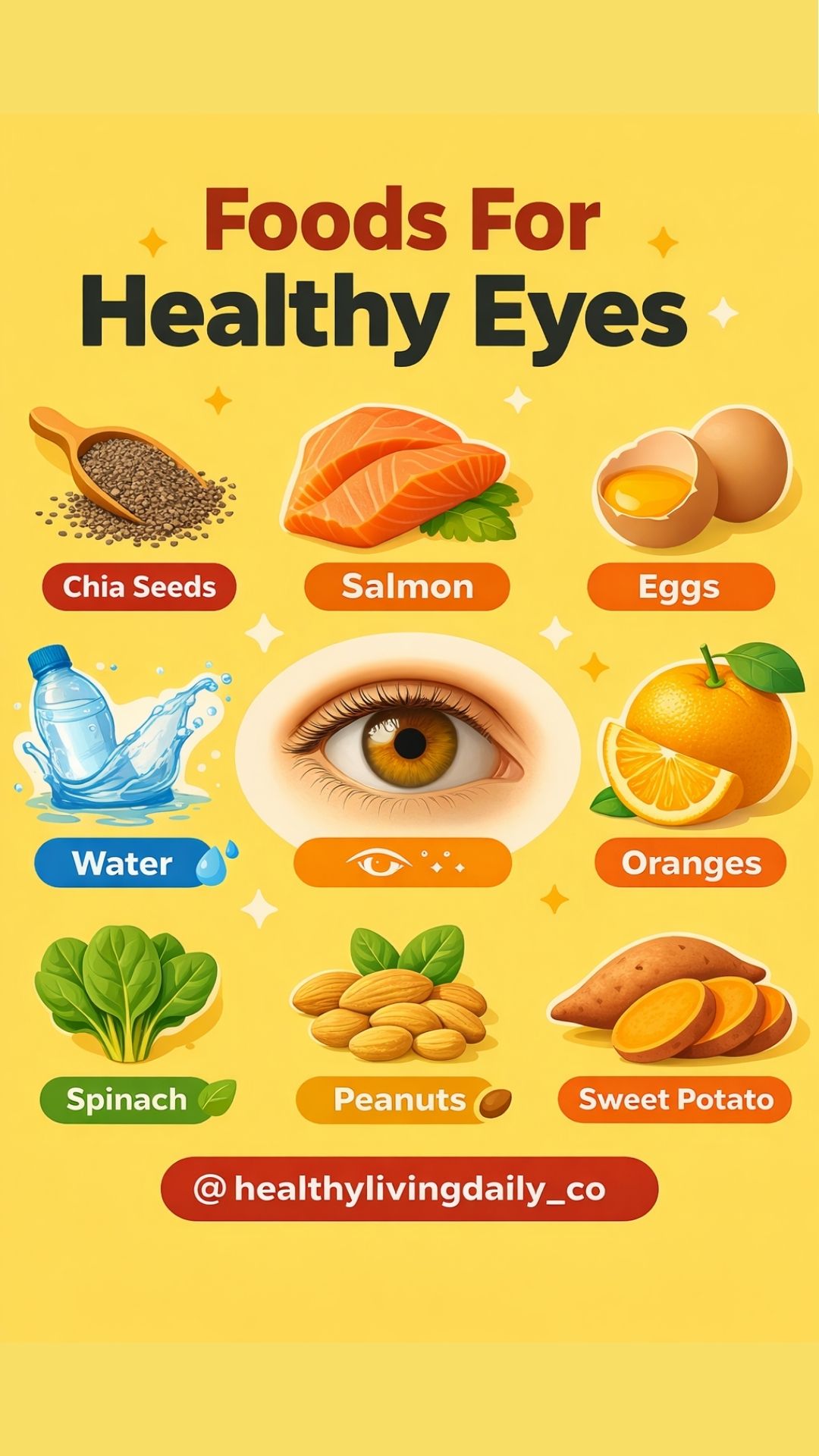
The Top 8 Foods to Add to Your Plate for Better Vision
1. Salmon: The Omega-3 Superstar
Cold-water fish like salmon are rich in docosahexaenoic acid (DHA) and eicosapentaenoic acid (EPA). These Omega-3 fatty acids are structural components of the retina. Regular consumption helps prevent dry eye syndrome by improving the oil film produced by the meibomian glands and may lower the risk of glaucoma later in life.
2. Spinach: The Leafy Green Guard
Leafy greens like spinach are packed with Lutein and Zeaxanthin. These carotenoids accumulate in the macula—the part of the eye responsible for central, high-resolution vision. They work by filtering harmful high-energy blue light wavelengths, protecting your eyes from the digital damage of smartphones and computers.
3. Sweet Potatoes: The Beta-Carotene Boost
The vibrant orange color of sweet potatoes comes from beta-carotene, a precursor to Vitamin A. Your eyes need Vitamin A to produce pigments in the retina and to keep the cornea lubricated. A deficiency in this nutrient is one of the leading causes of preventable blindness and “night blindness” globally.
4. Eggs: The Complete Nutrient Package
Eggs are perhaps the easiest way to support eye health. The yolk is a potent source of lutein, zeaxanthin, and zinc. Zinc helps your body absorb Vitamin A from the liver and transport it to the eye tissue to produce melanin, a protective pigment in the eyes.
5. Oranges: Your Daily Dose of Vitamin C
Citrus fruits are famous for Vitamin C, a powerful antioxidant that supports the health of blood vessels in your eyes. Ongoing research suggests that consistent Vitamin C intake can reduce the risk of developing cataracts and slow the progression of AMD by fighting oxidative damage.
6. Chia Seeds: Tiny Seeds, Big Benefits
For those seeking plant-based alternatives to fish, chia seeds are an excellent source of alpha-linolenic acid (ALA), a type of Omega-3. They help maintain the fluid pressure in the eye and support overall cardiovascular health, which is directly linked to ocular blood flow.
7. Peanuts: The Vitamin E Shield
Peanuts and peanut butter are rich in Vitamin E. This fat-soluble antioxidant defends eye cells against unstable molecules called free radicals, which break down healthy eye tissue. Just a handful of peanuts provides a significant portion of your daily recommended intake.
8. Water: The Essential Hydrator
It may seem simple, but hydration is paramount. The vitreous humor (the gel-like substance inside the eye) is mostly water. Staying hydrated ensures your eyes can produce enough tears to stay moist, clear out debris, and reduce the symptoms of irritation and digital eye strain.
Simple Ways to Incorporate These Foods into Your Routine
Improving your vision doesn’t require a radical lifestyle overhaul. Try these simple “American-style” meal swaps:
- Breakfast: Swap your plain bagel for “Sweet Potato Toast” topped with a poached egg.
- Lunch: Add a handful of spinach and a tablespoon of chia seeds to your fruit smoothie.
- Snack: Keep a bag of dry-roasted peanuts and an orange in your desk drawer instead of processed chips.
- Dinner: Aim for grilled salmon at least twice a week, served over a bed of sautéed leafy greens.
When to See a Professional
While a nutrient-rich diet is a powerful preventative tool, it is not a substitute for professional medical care. The American Academy of Ophthalmology (AAO) recommends that all adults receive a baseline eye exam by age 40, or sooner if you have underlying conditions like diabetes or high blood pressure.
If you experience sudden blurred vision, flashes of light, or persistent dryness, consult an optometrist or ophthalmologist immediately.
Ready to Protect Your Vision for Life?
Maintaining healthy eyes starts with the choices you make today. Whether it’s adding more salmon to your dinner or simply drinking more water, every nutrient-dense choice counts.
[CTA] Schedule Your Comprehensive Eye Exam Today: Don’t wait for your vision to fade. Find a certified eye care professional in your area to pair your healthy diet with expert care.
[CTA] Subscribe to Our Wellness Newsletter: Want more science-backed tips on nutrition and longevity? Join our community of [number] health-conscious readers to get the latest 2026 health guides delivered straight to your inbox!
Disclaimer: This content is for informational purposes only and does not constitute medical advice. Always consult with a healthcare provider before making significant changes to your diet or supplement regimen.