High blood pressure, often called the “silent killer,” affects nearly half of all adults in the United States, according to the Centers for Disease Control and Prevention (CDC). While genetics and age play a role, your diet is one of the most powerful tools you have to manage hypertension.
Transitioning to a heart-healthy lifestyle doesn’t mean deprivation. It means incorporating nutrient-dense “powerhouse” foods that actively work to relax your blood vessels and flush out excess sodium.
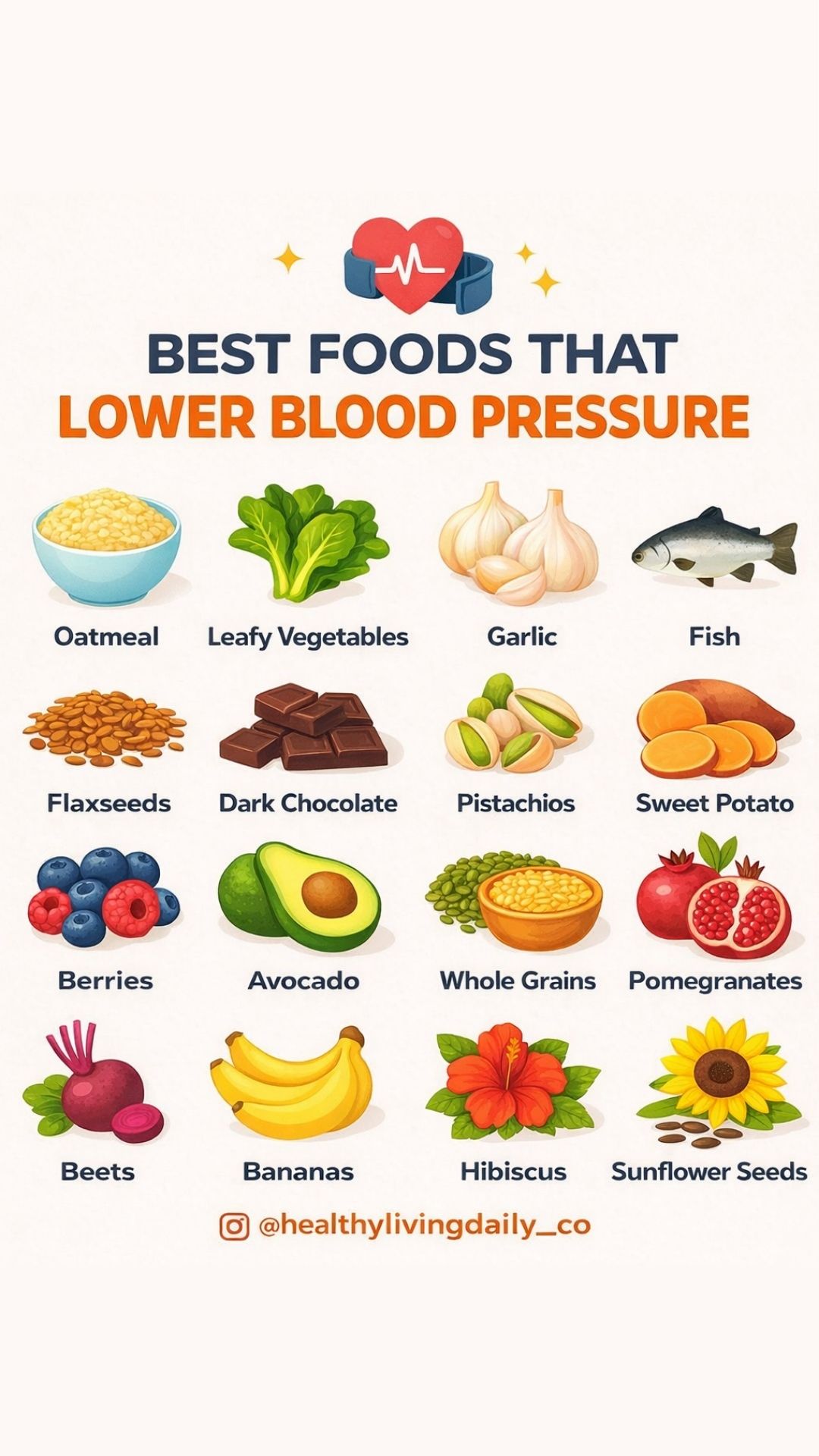
Based on the latest cardiovascular research and the principles of the DASH (Dietary Approaches to Stop Hypertension) diet, here are the 16 best foods to lower your blood pressure naturally.
1. The Potassium Powerhouses: Flushed Sodium, Relaxed Arteries
Potassium is the ultimate antagonist to sodium. It helps your kidneys excrete excess salt through urine and eases the tension in your blood vessel walls.
- Leafy Vegetables: Spinach, kale, and collard greens are high in potassium and magnesium. These minerals are essential for maintaining a steady heart rhythm.
- Bananas: The gold standard for portable potassium. One medium banana provides about 422 milligrams of this vital mineral.
- Sweet Potatoes: Often overlooked, a medium sweet potato with the skin on contains more potassium than a banana, along with beta-carotene for overall heart health.
- Avocados: Beyond their healthy monounsaturated fats, avocados are rich in potassium and antioxidants that help reduce inflammation in the vascular system.
Pro Tip: Aim for 3,500–4,700 mg of potassium daily to see a significant impact on your systolic numbers.
2. Heart-Healthy Grains and Seeds: The Fiber Defense
Fiber isn’t just for digestion; it’s a critical component in lowering systemic inflammation and improving arterial flexibility.
- Oatmeal: Oats contain a specific type of fiber called beta-glucan. Clinical studies suggest that beta-glucan can lower both systolic and diastolic blood pressure.
- Whole Grains: Quinoa, brown rice, and whole-wheat bread offer complex carbohydrates that prevent insulin spikes, which are often linked to higher blood pressure.
- Flaxseeds: These tiny seeds are one of the best plant-based sources of Omega-3 fatty acids and lignans, which have been shown to significantly reduce hypertension over a six-month period.
- Sunflower Seeds: Packed with magnesium, these seeds help the muscles around your blood vessels relax. Always choose the unsalted variety to avoid a sodium spike.
- Pistachios: Research suggests that pistachios may reduce blood pressure by reducing peripheral vascular resistance (the tightening of blood vessels).
3. The Nitrate and Antioxidant Boosters: Nature’s Vasodilators
Some foods act as natural vasodilators, meaning they help your blood vessels open up, allowing blood to flow more freely.
- Beets: Beets are exceptionally high in dietary nitrates. Your body converts these into nitric oxide, a gas that relaxes and dilates blood vessels.
- Garlic: The active compound in garlic, allicin, increases the body’s production of nitric oxide, helping the muscles in the arteries relax.
- Berries: Blueberries, strawberries, and raspberries are rich in anthocyanins. These antioxidants have been linked to an 8% reduction in the risk of high blood pressure.
- Pomegranates: Whether eaten as seeds or consumed as juice, pomegranates inhibit ACE (angiotensin-converting enzyme), acting similarly to some blood pressure medications.
- Hibiscus (Tea): Several trials have shown that drinking three cups of hibiscus tea daily can lower blood pressure as effectively as some standard medications due to its diuretic properties.
4. Proteins and “Guilty” Pleasures: Essential Nutrients
- Fatty Fish: Salmon and mackerel are high in Omega-3 fatty acids. These healthy fats reduce inflammation and lower levels of oxylipins, which constrict blood vessels.
- Dark Chocolate: Yes, you can have dessert. Dark chocolate (at least 70% cocoa) is rich in flavanols, which improve vascular function and nitric oxide production.
Practical Tips for the US Consumer
Integrating these foods into a busy American lifestyle doesn’t have to be complicated:
- The “Salt Swap”: Instead of reaching for the salt shaker, use garlic, lemon juice, or hibiscus-infused marinades to flavor your proteins.
- Smart Snacking: Replace processed chips with unsalted pistachios or sunflower seeds.
- Morning Synergy: Combine oatmeal, flaxseeds, and blueberries for a triple-threat breakfast that targets BP from three different biological angles.
Take Control of Your Heart Health Today
Managing your blood pressure is a marathon, not a sprint. By incorporating these 16 foods into your weekly grocery list, you are taking a proactive step toward a longer, healthier life.
[CTA] Want a customized shopping list? Download our “Heart-Healthy Grocery Guide” for 2026 and get exclusive low-sodium meal plans delivered to your inbox. [Sign Up Now]
Medical Disclaimer
This article is for informational purposes only and does not constitute medical advice. Always consult with your primary care physician or a cardiologist before making significant changes to your diet or if you are currently taking hypertension medication.
Sources:
- American Heart Association (AHA) – Hypertension Management Guidelines.
- National Institutes of Health (NIH) – DASH Eating Plan Research.
- Journal of Nutrition – The Role of Nitric Oxide in Vascular Health.