In the landscape of modern American nutrition, we often obsess over protein macros and calorie counting. However, there is one critical nutrient that 95% of Americans are failing to consume enough of: dietary fiber.
Often called the “unsung hero” of a healthy gut, fiber is responsible for everything from stabilizing your blood sugar to ensuring your digestive system runs like a well-oiled machine. While the Recommended Dietary Allowance (RDA) suggests between 25 and 38 grams per day, the average American only consumes about 15 grams. This “fiber gap” can lead to sluggish digestion, weight gain, and increased risks for chronic conditions.
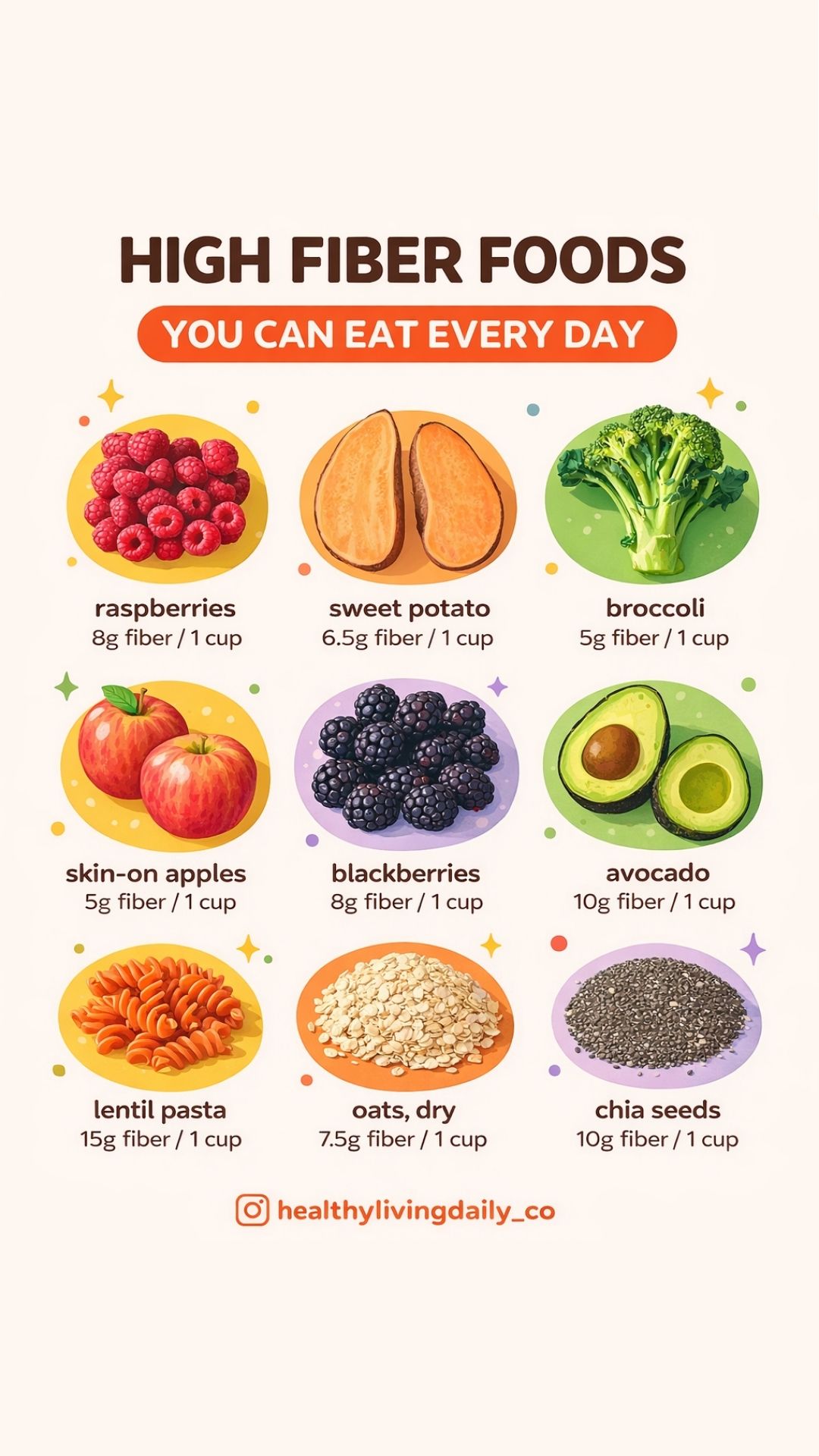
The good news? Closing this gap doesn’t require expensive supplements. You can transform your health by simply adding these 9 delicious, high-fiber foods to your daily routine in 2026.
Why Fiber Matters for Your Daily Health
Before we dive into the list, it is essential to understand that not all fiber is the same. Most whole foods contain a mix of two types:
- Soluble Fiber: Dissolves in water to form a gel-like material. It helps lower blood cholesterol and glucose levels.
- Insoluble Fiber: Promotes the movement of material through your digestive system (regularity) and increases stool bulk.
By incorporating fiber-rich foods, you aren’t just “staying regular.” You are feeding your gut microbiome, which plays a pivotal role in your immune system, mental clarity, and long-term heart health.
Top 9 Fiber-Rich Foods to Add to Your Grocery List
Based on the latest nutritional guidelines, here are nine accessible and versatile foods that provide a massive fiber punch per serving.
1. Berries: Nature’s Fiber Candy (Raspberries & Blackberries)
If you have a sweet tooth, berries are your best friend. Both raspberries and blackberries pack a staggering 8 grams of fiber per cup.
- Why they win: They are low in sugar compared to other fruits and loaded with anthocyanins—antioxidants that reduce inflammation.
- How to eat them: Toss a handful into your morning Greek yogurt or enjoy them chilled as a refreshing afternoon snack.
2. The Power of Produce: Broccoli & Skin-On Apples
Broccoli and apples are staples for a reason. Both offer roughly 5 grams of fiber per serving.
- The Secret is in the Skin: For apples, the majority of the insoluble fiber is found in the peel. Peeling your apple removes nearly half of its nutritional value.
- Versatility: Roasted broccoli with a dash of olive oil and sea salt is a classic American side dish that pairs perfectly with almost any protein.
3. Satisfying Starches: Sweet Potatoes & Oats
Forget the idea that all carbs are bad. Complex carbohydrates like sweet potatoes (6.5g per cup) and dry oats (7.5g per cup) provide slow-burning energy.
- Oats: A bowl of oatmeal is one of the best ways to start your day with heart-healthy beta-glucan fiber.
- Sweet Potatoes: Beyond the fiber, they are a powerhouse of Vitamin A, supporting your vision and skin health.
4. The Superstars: Avocado & Chia Seeds
Avocados and chia seeds are the “heavy hitters” of the fiber world, both providing 10 grams of fiber per cup/serving.
- Avocado: Unlike most fiber sources, avocados are rich in monounsaturated fats, which help your body absorb fat-soluble vitamins like A, D, E, and K.
- Chia Seeds: These tiny seeds can absorb up to 12 times their weight in water, helping you feel full much longer.
5. The Protein-Fiber Hybrid: Lentil Pasta
If you love pasta night but hate the “carb crash,” lentil pasta is a game-changer. With 15 grams of fiber per cup, it is the highest-fiber item on this list.
- Modern Swap: It is naturally gluten-free and contains significantly more protein than traditional wheat pasta, making it an ideal choice for busy professionals and athletes alike.
Easy Ways to Incorporate These Foods into Your Routine
Increasing your fiber intake doesn’t have to be a chore. Here is a simple “Fiber-First” meal plan:
- Breakfast: Start with a bowl of oats topped with raspberries and a tablespoon of chia seeds.
- Lunch: Add half a sliced avocado and some steamed broccoli to your favorite grain bowl or salad.
- Dinner: Swap your traditional spaghetti for lentil pasta and keep the skin on your side of baked sweet potato fries.
Pro-Tip: If you are currently on a low-fiber diet, increase your intake slowly over 2–3 weeks and drink plenty of water. This allows your digestive enzymes to adjust and prevents bloating.
Frequently Asked Questions (FAQ)
How much fiber do I really need daily? The Institute of Medicine recommends 25 grams daily for women and 38 grams for men. After age 50, requirements drop slightly to 21 and 30 grams, respectively.
Can I get all my fiber from a supplement? While supplements can help, they lack the vitamins, minerals, and phytonutrients found in whole foods. Always prioritize “food first.”
Are frozen berries as good as fresh? Absolutely. Frozen berries are picked at peak ripeness and flash-frozen, often preserving more nutrients and fiber than fresh berries that have traveled for days.
Conclusion: Small Changes, Big Results
Achieving better gut health in 2026 doesn’t require a radical diet overhaul. By consistently adding these 9 high-fiber foods to your grocery cart, you are investing in long-term wellness, better energy, and a happier digestive system.