We’ve all been there. It’s 2:00 PM on a Tuesday, you’re staring at an open email, and the words just won’t come. Your thoughts feel slow, your memory is hazy, and it feels like a thick mist has settled over your cognitive abilities. This isn’t just “being tired”—it’s brain fog.
In the fast-paced digital landscape of 2026, brain fog has become a modern epidemic among US professionals and students. While many reach for a third cup of coffee, the real solution often lies in your kitchen.
The connection between what you eat and how you think is governed by the gut-brain axis, a complex communication network where nutrients act as the primary language. To clear the mist, you need to fuel your brain with specific neuroprotective compounds.
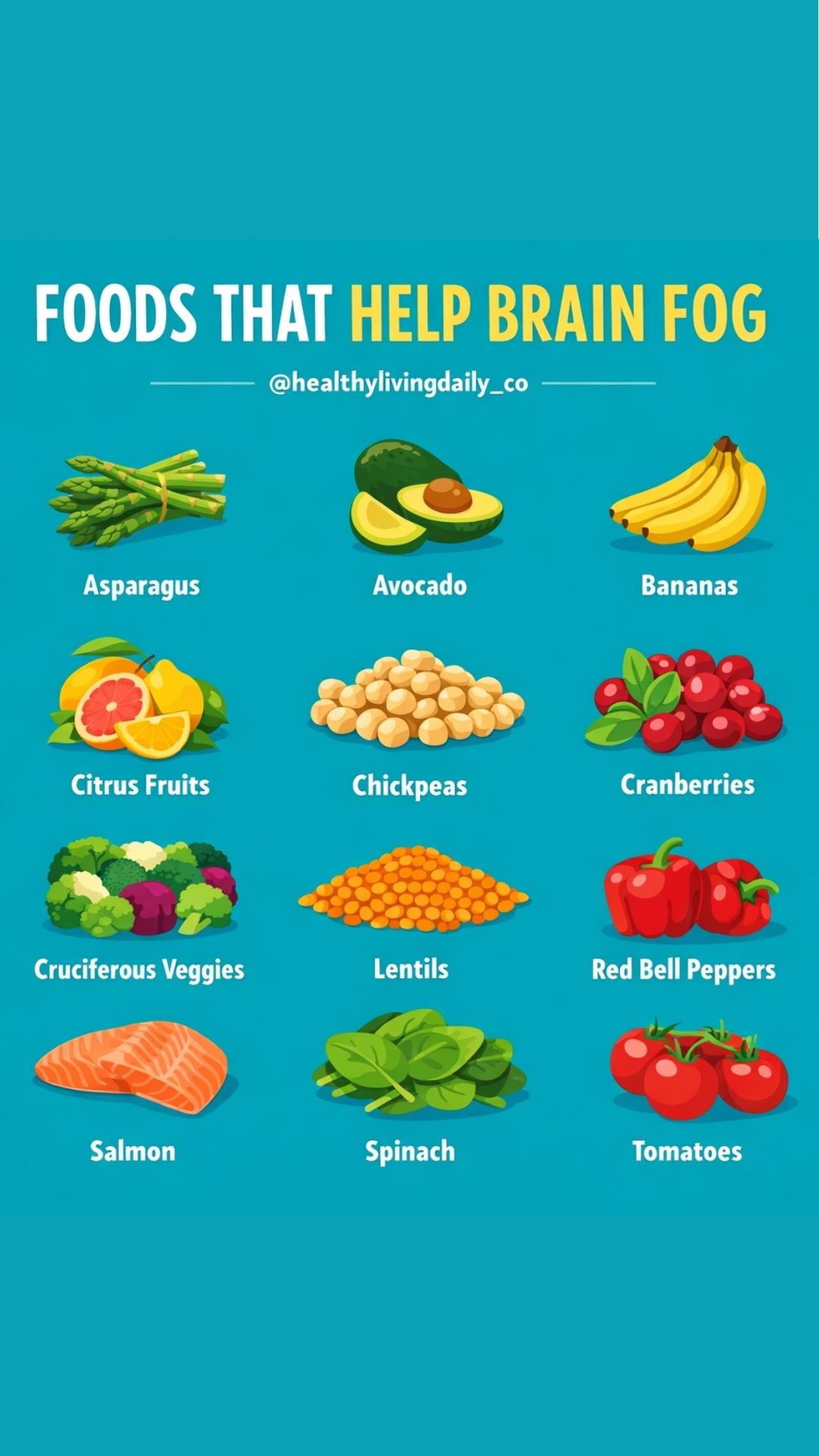
Here are the 12 best science-backed foods to help you reclaim your mental clarity.
1. The Leafy & Green Brain-Boosters
Spinach & Asparagus: The Folate Guardians
Dark leafy greens like spinach and stalks of asparagus are packed with folate (Vitamin B9) and Vitamin K. Folate is critical because it helps metabolize homocysteine—an amino acid that, when elevated, is linked to brain shrinkage and cognitive decline. Incorporating these greens provides the structural support your neurons need to communicate efficiently.
Cruciferous Veggies: The Inflammation Fighters
Broccoli, cauliflower, and Brussels sprouts contain sulforaphane. This potent compound helps switch on antioxidant genes and reduces neuroinflammation. Since chronic low-grade inflammation is a leading driver of brain fog, these “crunchy” defenders are essential for maintaining a clear head.
2. Healthy Fats for Neural Speed
Salmon: The DHA Gold Standard
Your brain is about 60% fat. Salmon is the ultimate source of Omega-3 fatty acids (DHA and EPA). These fats are the literal building blocks of brain cell membranes. Research suggests that high Omega-3 intake improves blood flow to the brain, enhancing memory and reaction times. If you want “faster” thoughts, salmon is your best friend.
Avocado: The Brain’s Fuel Pump
Avocados are rich in monounsaturated fats, which support healthy blood flow. By helping to lower blood pressure and prevent hypertension, avocados ensure that your brain receives a steady supply of oxygenated blood. They also contain lutein, a carotenoid linked to improved processing speed.
3. Plant-Based Proteins & Stable Energy
Lentils & Chickpeas: The Slow-Burn Fuel
Brain fog is often caused by the “sugar crash” following a high-carb meal. Lentils and chickpeas provide complex carbohydrates and fiber that digest slowly. This ensures a steady release of glucose to the brain, preventing the energy dips that lead to afternoon mental fatigue. They are also rich in zinc, which is crucial for cognitive signaling.
Bananas: The Mood & Clarity Spark
Beyond being a portable snack, bananas are high in Vitamin B6. This vitamin is a co-factor in the production of neurotransmitters like serotonin and dopamine. When these “feel-good” chemicals are balanced, you feel more motivated and focused.
4. Antioxidant Powerhouses
Citrus Fruits & Red Bell Peppers: The Vitamin C Shield
Vitamin C is a powerful antioxidant that defends against oxidative stress in the brain. Red bell peppers actually contain more Vitamin C than oranges. High levels of this vitamin are associated with improvements in tasks involving focus, memory, and attention.
Tomatoes: Protecting the Brain’s Structure
Tomatoes contain lycopene, a phytochemical that protects against the free radical damage that can occur in the development of dementia. Lycopene helps regulate genes that influence cell growth and inflammation in the brain.
Cranberries: The Memory Enhancers
Cranberries are loaded with flavonoids and proanthocyanidins. These compounds have been shown to cross the blood-brain barrier and lodge themselves in the hippocampus—the part of the brain responsible for learning and memory.
The Science: Why These Foods Clear the Fog
To understand why these 12 foods work, we have to look at three biological pillars:
- Anti-Inflammatory Properties: Many of these foods (like cruciferous veggies and salmon) lower cytokines in the brain, allowing neural pathways to function without “traffic jams.”
- Neurogenesis Support: Nutrients like Omega-3s support the growth of new neurons, a process called neurogenesis.
- Blood Sugar Regulation: By choosing slow-release energy (lentils/chickpeas), you avoid the brain-fogging effects of insulin spikes.
How to Implement a “Clear Brain” Diet Today
Implementing these changes doesn’t have to be complicated. Start with these simple swaps:
- The Power Lunch: A spinach and salmon salad topped with chickpeas and a squeeze of citrus.
- The Focus Snack: Swap the vending machine chips for a banana or a handful of cranberries.
- Stay Hydrated: Your brain is roughly 75% water. Even mild dehydration can mimic the symptoms of brain fog.
🚀 Take the “7-Day Mental Clarity” Challenge
Are you ready to stop feeling like you’re thinking through mud? We’ve designed a specialized meal plan featuring all 12 of these powerhouse foods. [Click here to download our Free 7-Day Brain Fog Reset Guide and Shopping List!]
Lifestyle Factors: Beyond the Plate
While nutrition is the foundation, your brain also requires:
- Sleep: 7-9 hours to allow the brain’s glymphatic system to “wash away” toxins.
- Movement: Just 20 minutes of walking increases Brain-Derived Neurotrophic Factor (BDNF).
- Stress Management: High cortisol levels literally shrink the brain’s prefrontal cortex.
Frequently Asked Questions (FAQ)
How long does it take for diet to clear brain fog? While hydration and blood sugar stability can provide immediate relief (within hours), structural brain benefits from Omega-3s and antioxidants usually take 4 to 6 weeks of consistent intake.
Can caffeine make brain fog worse? In moderation, no. However, excessive caffeine leads to “rebound” brain fog once the stimulant wears off and disrupts the deep sleep necessary for mental clarity the next day.
Is brain fog a symptom of Vitamin B12 deficiency? Yes. Vitamin B12 is essential for the myelin sheath that insulates your nerves. If you are vegan or vegetarian, ensure you are supplementing B12 alongside eating the lentils and spinach mentioned above.
Author Note: This article is for informational purposes only and does not constitute medical advice. Consult with a healthcare professional before making significant changes to your diet or if you experience persistent cognitive issues.
Meta Title: 12 Foods That Help Brain Fog: Natural Remedies for Focus in 2026 Meta Description: Struggle with mental cloudiness? Discover 12 science-backed foods like salmon, spinach, and avocado that help clear brain fog and improve cognitive health naturally.