Your liver is the unsung hero of your metabolic health. Weighing in at about three pounds, this powerhouse organ performs over 500 vital functions, from filtering toxins and processing medications to regulating blood sugar and storing essential vitamins.
However, the modern American lifestyle—often characterized by processed “convenience” foods, high-fructose corn syrup (HFCS), and sedentary habits—is putting an unprecedented strain on our hepatic systems. Today, nearly 1 in 4 Americans are affected by Non-Alcoholic Fatty Liver Disease (NAFLD).
The good news? Your liver is remarkably resilient. By incorporating specific, nutrient-dense “superfoods” into your daily routine, you can support your liver’s natural detoxification pathways and improve your overall vitality.
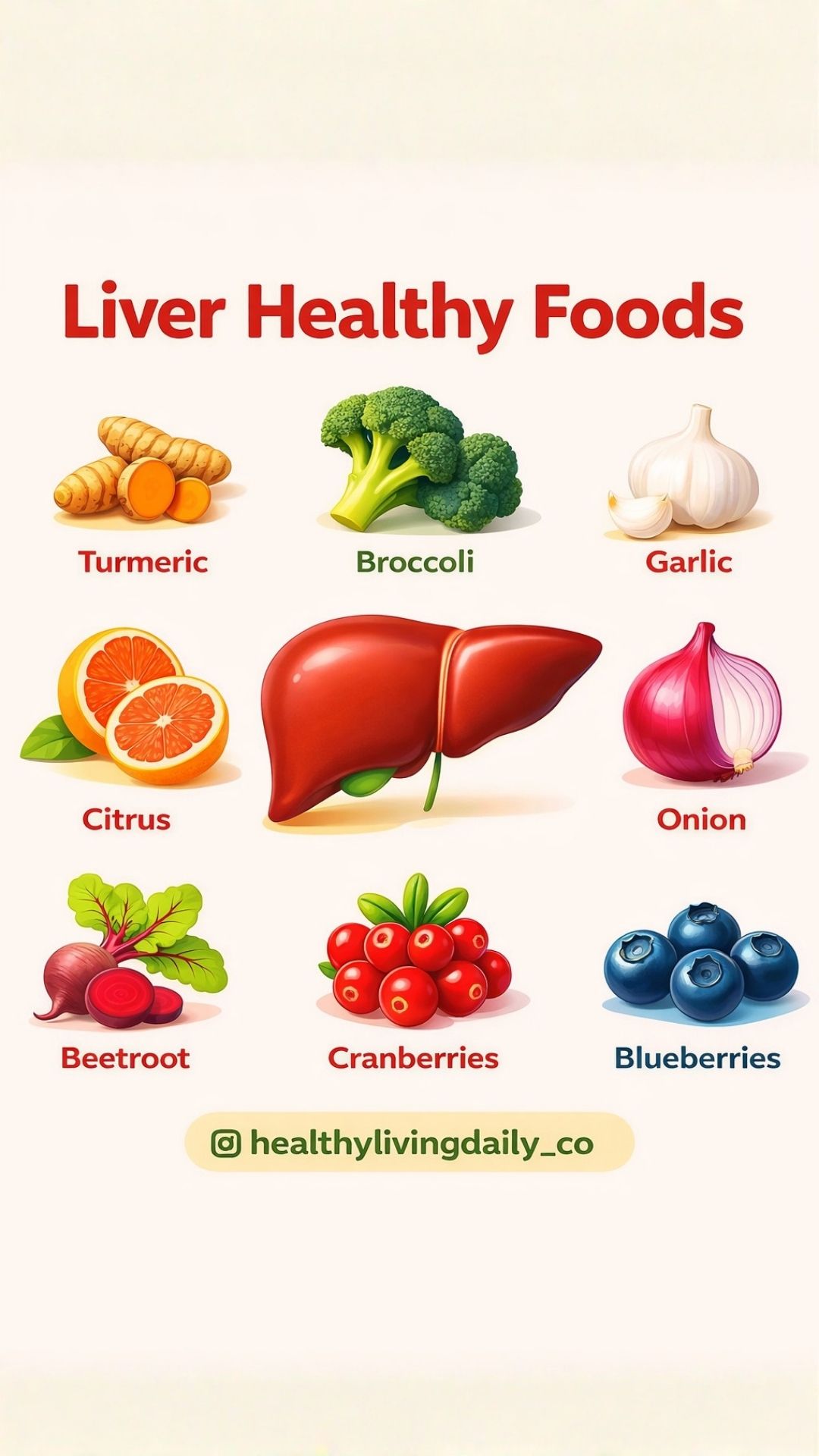
Based on the latest nutritional science, here are the eight best foods to cleanse and support your liver in 2026.
Why Your Liver Health Should Be Your Top Priority
Before diving into the menu, it is crucial to understand what is at stake. The liver acts as your body’s primary filtration system. When it becomes sluggish due to inflammation or fat buildup, you may experience:
- Chronic fatigue and brain fog.
- Skin issues like acne or unexplained itchiness.
- Digestive discomfort and bloating.
- Difficulties with weight management.
Supporting your liver isn’t about restrictive “detox teas” or “juice cleanses.” It is about providing the hepatocytes (liver cells) with the specific antioxidants and compounds they need to perform Phase I and Phase II detoxification effectively.
The Top 8 Foods for a Healthy Liver
1. Turmeric: The Golden Anti-Inflammatory
Turmeric is more than just a kitchen staple; it is a medicinal powerhouse. Its active compound, Curcumin, is one of the most studied phytonutrients for liver health.
- How it works: Curcumin helps reduce inflammation in liver cells and may prevent the accumulation of fat.
- Pro Tip: Always consume turmeric with a pinch of black pepper. The piperine in black pepper increases curcumin absorption by up to 2,000%.
2. Broccoli and Cruciferous Vegetables
Broccoli, Brussels sprouts, and mustard greens are rich in Sulforaphane. This sulfur-rich compound increases the liver’s natural detoxification enzymes, helping to flush out carcinogens and harmful chemicals. Studies suggest that consistent intake of cruciferous vegetables can help balance liver enzymes and protect against fatty liver damage.
3. Garlic: The Enzyme Activator
Garlic is packed with sulfur compounds that activate the liver enzymes responsible for flushing out toxins. It also contains high levels of Allicin and Selenium, two natural ingredients that aid in liver cleansing and protect the organ from oxidative damage.
4. Citrus Fruits: The Glutathione Boosters
Lemons, limes, and grapefruits are high in Vitamin C, which stimulates the production of Glutathione. Often called the “master antioxidant,” glutathione is essential for the liver to neutralize free radicals.
- Note for Americans: If you are taking specific medications (like statins), consult your doctor before consuming grapefruit, as it can interfere with how your liver processes certain drugs.
5. Onions: Deep Cellular Protection
Like garlic, onions are rich in organosulfur compounds. They are also a primary source of Quercetin, a flavonoid that has been shown to reduce liver fat accumulation and protect against oxidative stress caused by a high-fat diet.
6. Beetroot: The Blood and Liver Purifier
Beets contain Betalains, unique antioxidants that reduce oxidative damage and inflammation in the liver. Beets also help increase the natural flow of bile, which is essential for breaking down fats and removing waste from the body.
7. Cranberries: Preventing Cell Damage
Cranberries are loaded with Anthocyanins, the pigments that give them their deep red color. These antioxidants have been shown to protect the liver from injury and prevent the development of fibrosis (scar tissue). Opt for whole berries or unsweetened juice to avoid the liver-straining effects of added sugars.
8. Blueberries: The Antioxidant King
Blueberries are among the most nutrient-dense fruits on the planet. Regular consumption helps increase immune cell response and protects the liver from oxidative stress. Research indicates that the antioxidants in blueberries can even slow the progression of liver lesions and scarring.
Ready to take control of your wellness? > [Click Here to Download Our Free 2026 Liver-Friendly Meal Plan & Grocery List] – Start your journey to a cleaner, more energetic you today!
Practical Ways to Upgrade Your Liver Health Today
Eating for your liver doesn’t have to be complicated. Here is how to incorporate these entities into an American lifestyle:
- The Morning Ritual: Swap your sugary latte for warm lemon water or a “Golden Milk” latte (coconut milk, turmeric, ginger, and black pepper).
- The Power Salad: Build a base of massaged kale or broccoli slaw, topped with roasted beets, pickled onions, and a citrus vinaigrette.
- Strategic Snacking: Keep a bowl of fresh blueberries and walnuts on your desk instead of reaching for processed chips.
Beyond the Plate: Essential Lifestyle Habits
While food is foundational, your liver thrives on a holistic approach:
- Hydration: Water is the medium the liver uses to move toxins out of your body. Aim for half your body weight in ounces daily.
- Cut the HFCS: High-fructose corn syrup is specifically metabolized in the liver and is a leading cause of fatty liver in the U.S. Read labels carefully on condiments and sodas.
- Movement: Exercise helps burn triglycerides for fuel, reducing the amount of fat stored in your liver.
Frequently Asked Questions (FAQ)
Can the liver actually repair itself? Yes. The liver is the only visceral organ in the human body that can regenerate. With the right nutritional support and the removal of stressors (like alcohol and excess sugar), the liver can often reverse early-stage damage.
What is the fastest way to detox my liver? There is no “quick fix.” The most effective “detox” is to stop overloading the liver with toxins and start fueling it with the 8 foods mentioned above. Consistency over 30 days will yield better results than a 3-day liquid cleanse.
Is coffee actually good for the liver? Surprisingly, yes. Numerous studies show that regular coffee consumption (black or with minimal dairy/sugar) is associated with lower levels of liver enzymes and a reduced risk of liver cancer and cirrhosis.
Conclusion: Small Steps, Big Results
Your liver is your body’s hardest-working multitasker. By choosing to include more turmeric, cruciferous greens, and antioxidant-rich berries in your diet, you are giving your body the tools it needs to thrive in a toxic world.
Don’t wait for symptoms to appear before you start caring for your liver.
Take the Next Step
If you found this guide helpful, join our community of health-conscious individuals.
👉 [Sign up for our Weekly Wellness Newsletter] to receive science-based nutrition tips, liver-healthy recipes, and exclusive discounts on premium supplements directly in your inbox.
Source: Inspired by the Healthy Living Daily research and the latest 2026 nutritional guidelines.