In recent years, “gut health” has moved from a niche wellness topic to a mainstream American health priority. We now know that our digestive system is far more than just a processing plant for food; it is home to trillions of microbes that dictate our immunity, mood, and even weight management.
Whether you are struggling with “leaky gut” (intestinal permeability), chronic bloating, or simply want to feel more energized, the path to recovery doesn’t always start with expensive supplements. It starts in your kitchen.
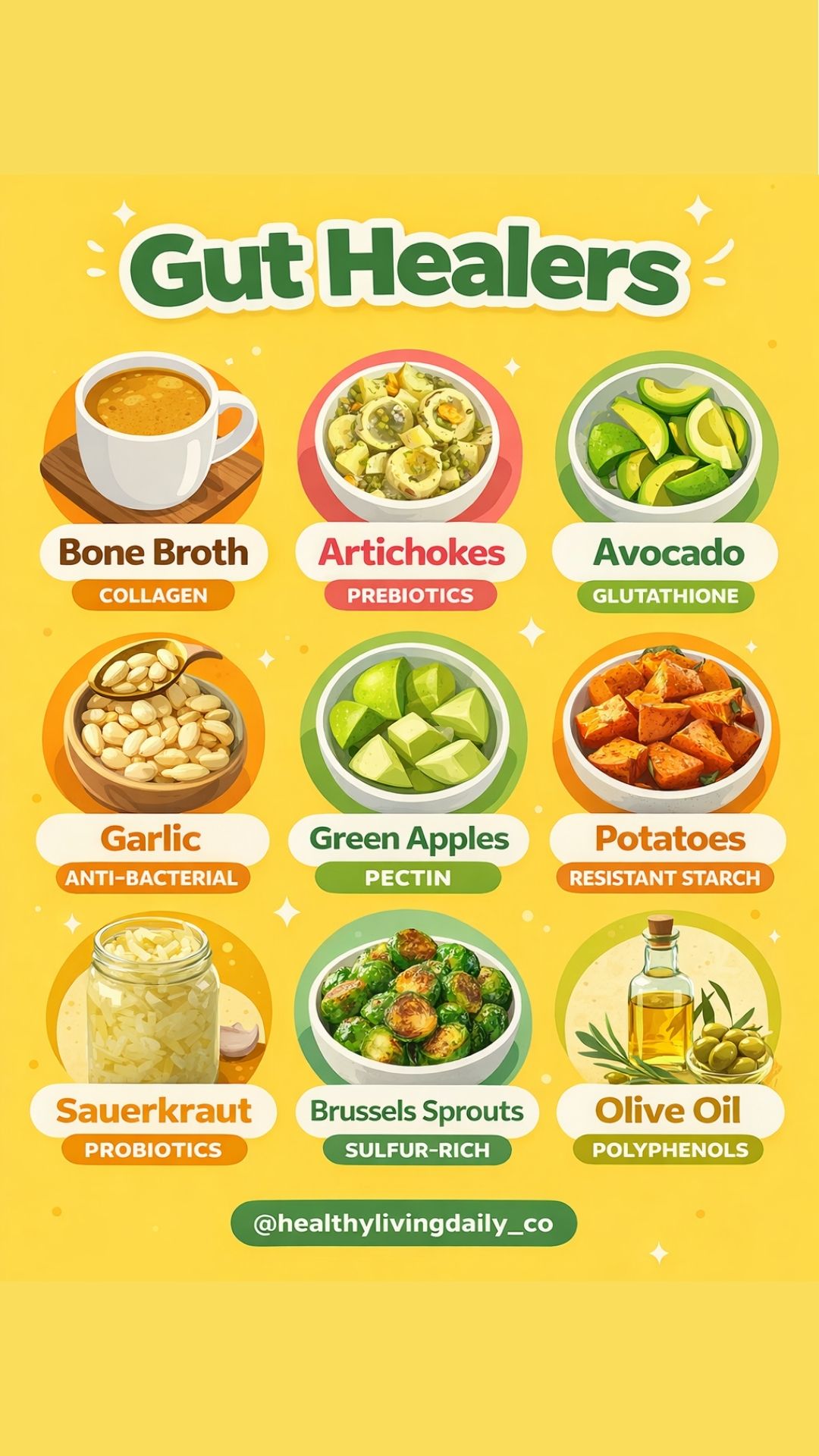
This guide explores the top 9 gut healers—science-backed superfoods that can help repair your gut lining and balance your microbiome naturally.
Why Gut Health is the Foundation of Your Wellness
Scientific research continues to emphasize the Gut-Brain Axis, a two-way communication channel between your digestive tract and your brain. A compromised gut often leads to brain fog, anxiety, and skin issues.
“Healing the gut” involves two main steps: reducing inflammation to repair the physical lining and repopulating beneficial bacteria to maintain a healthy ecosystem. By focusing on the specific “gut healers” below, you can address both.
The Power Players: 9 Foods to Transform Your Gut
1. Bone Broth: The Collagen King
Bone broth is often called “liquid gold” for a reason. Unlike standard stock, true bone broth is simmered for 24+ hours to extract high concentrations of Collagen and L-Glutamine.
- How it heals: Collagen provides the structural building blocks to repair the delicate lining of your intestinal wall. L-glutamine, an amino acid, acts as a “sealant” for the gaps in the gut lining that cause leaky gut.
- Pro-Tip: Look for brands labeled “Low Sodium” or make your own at home using organic, grass-fed bones for the highest nutrient density.
2. Sauerkraut: The Probiotic Powerhouse
Fermented foods are essential for introducing live, active cultures into your system. Sauerkraut is a staple that provides a massive dose of Lactobacillus.
- How it heals: These beneficial bacteria crowd out harmful pathogens and help your body synthesize vitamins.
- A Note for US Shoppers: Avoid the canned sauerkraut on the dry shelves. To get the gut-healing benefits, you must buy raw, unpasteurized sauerkraut found in the refrigerated section of stores like Whole Foods or Trader Joe’s.
3. Artichokes: The Prebiotic Fuel
While probiotics are the “seeds,” prebiotics are the “fertilizer.” Artichokes are one of the best sources of Inulin, a specific type of prebiotic fiber.
- How it heals: Inulin isn’t digested by you; it travels straight to your lower gut to feed your existing good bacteria, helping them thrive and multiply.
4. Avocado: Glutathione for Detox
Avocados are more than just a toast topper. They are rich in healthy monounsaturated fats and Glutathione, the body’s master antioxidant.
- How it heals: Glutathione helps protect the cells of the digestive tract from oxidative stress and assists the liver in detoxifying harmful substances before they can damage the gut wall.
5. Garlic: The Natural Anti-Bacterial
If you have an overgrowth of “bad” bacteria or yeast (like Candida), garlic is your secret weapon.
- How it heals: The active compound Allicin has potent antimicrobial properties. It selectively targets harmful pathogens without wiping out your entire microbiome the way synthetic antibiotics might.
6. Green Apples: Pectin for Flow
Grandma was right about an apple a day. Specifically, green apples are loaded with Pectin, a soluble fiber that turns into a gel-like substance during digestion.
- How it heals: Pectin feeds Bifidobacteria and helps keep things moving through your digestive tract, preventing the stagnation that leads to bacterial overgrowth and bloating.
7. Potatoes: The Secret of Resistant Starch
Potatoes often get a bad reputation in US diet culture, but they are a “gut healer” when prepared correctly.
- The “Cook & Cool” Hack: When you cook a potato and let it cool completely (like in a traditional American potato salad), it develops Resistant Starch.
- How it heals: Resistant starch “resists” digestion in the small intestine and ferments in the colon, producing Butyrate—a short-chain fatty acid that is the primary energy source for the cells lining your colon.
8. Brussels Sprouts: Sulfur-Rich Detox
Cruciferous vegetables like Brussels sprouts are rich in sulfur-containing compounds called Glucosinolates.
- How it heals: These compounds support the liver’s phase II detoxification and have been shown to protect the stomach lining from ulcers and inflammation.
9. Olive Oil: Liquid Gold Polyphenols
Extra Virgin Olive Oil (EVOO) is the cornerstone of the Mediterranean Diet.
- How it heals: EVOO is packed with Polyphenols that reduce inflammation in the gut. It also helps lubricate the digestive tract and improves the absorption of fat-soluble vitamins like A, D, E, and K.
Probiotics vs. Prebiotics: What’s the Difference?
To simplify it:
- Probiotics (like Sauerkraut) are the Live Bacteria you add to your gut.
- Prebiotics (like Artichokes and Garlic) are the Fiber that feeds those bacteria.
For true gut healing, you need a balance of both. A probiotic supplement won’t work effectively if those bacteria have nothing to eat!
How to Build a “Gut-Healing” Plate
Transitioning to a gut-healthy lifestyle doesn’t have to be overwhelming. Follow these steps:
- Start Slow: Adding too much fiber (like Brussels sprouts or Artichokes) too quickly can cause temporary gas. Gradually increase your intake.
- Focus on Variety: Aim for 30 different plant-based foods per week to diversify your microbiome.
- Stay Hydrated: Fiber needs water to move through your system efficiently.
Sample Day Meal Plan:
- Breakfast: Green apple slices with almond butter.
- Lunch: Mediterranean bowl with cooled potatoes, avocado, and a generous drizzle of olive oil.
- Dinner: Roasted Brussels sprouts with garlic and a cup of warm bone broth on the side.
- Snack: A small serving of raw sauerkraut.
Conclusion: A Journey to Better Health
Repairing your gut is a journey, not a quick fix. By incorporating these 9 gut healers into your daily routine in 2026, you are giving your body the tools it needs to reduce inflammation, boost immunity, and clear the brain fog that has been holding you back.
Disclaimer: This information is for educational purposes only and does not substitute for professional medical advice. Always consult with a healthcare provider before making significant changes to your diet, especially if you have pre-existing digestive conditions.