If you’ve noticed more strands in your hairbrush lately or feel like your hair has lost its luster, you aren’t alone. Millions of Americans face hair thinning due to stress, environmental pollutants, and—most importantly—nutritional gaps. While the beauty industry often pushes expensive topical serums, true hair vitality begins at the cellular level.
The hair follicle is one of the most metabolically active parts of the human body. To function at its peak, it requires a steady supply of specific vitamins, minerals, and proteins. If you are following a plant-based lifestyle, you have a wealth of “hair superfoods” at your fingertips.
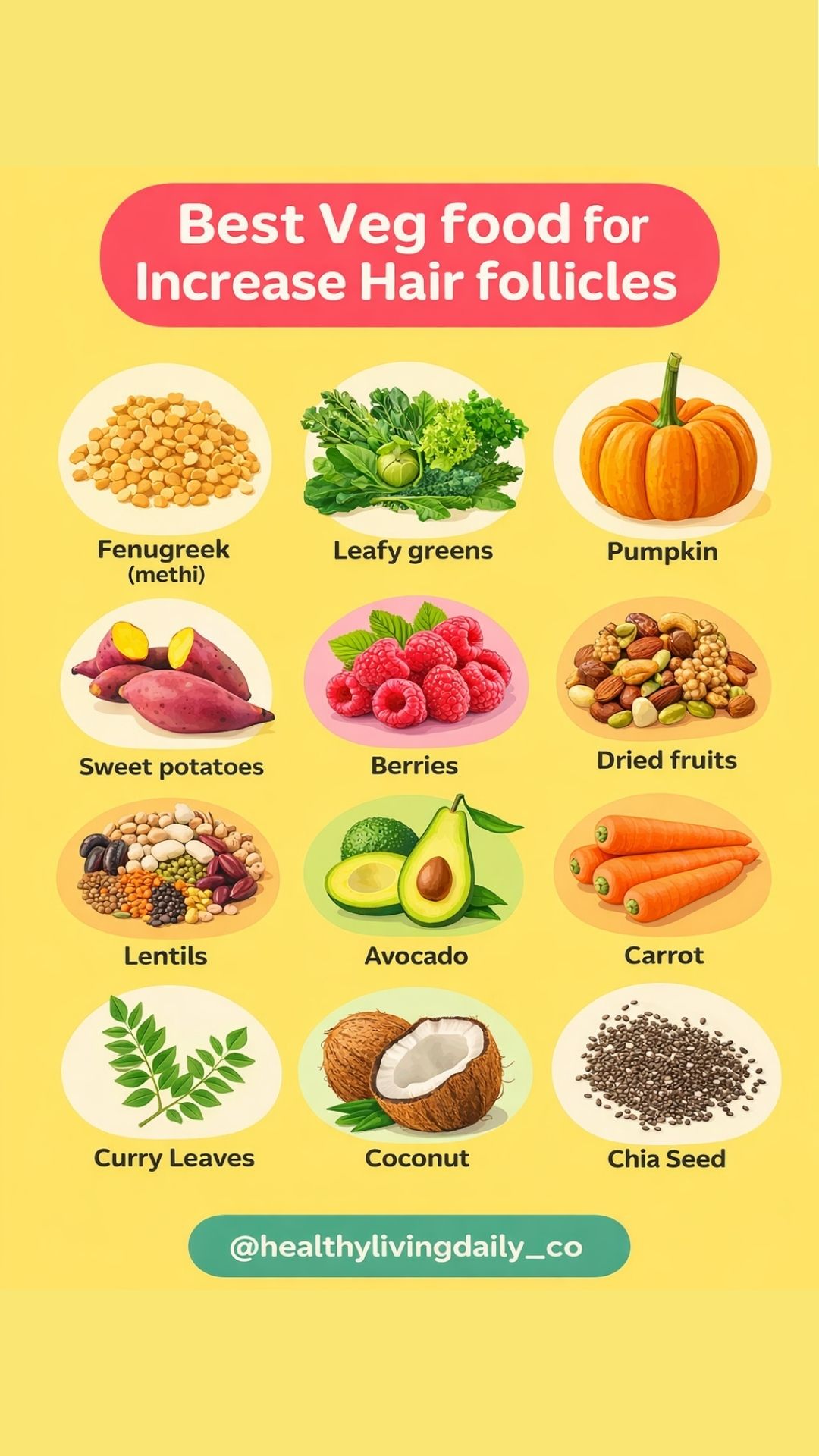
In this comprehensive guide, we explore the 12 best vegetarian foods for hair follicles to help you achieve the thick, resilient mane you deserve.
The Biological Link Between Your Plate and Your Scalp
Every strand of hair on your head starts inside a follicle—a tiny, tunnel-like segment in the epidermis. The health of the follicle determines the strength, shine, and growth rate of the hair shaft. Nutritional deficiencies, particularly in iron, zinc, and Vitamin D, can push hair follicles into a premature “resting phase,” leading to shedding.
By integrating the following plant-based powerhouses into your diet, you provide the essential building blocks for keratin production and scalp circulation.
1. The Root Stimulators: Beta-Carotene & Vitamin A
Focus Foods: Sweet Potatoes, Carrots, Pumpkin
Vitamin A is vital for the growth of all cells, including hair. It helps skin glands produce sebum, the natural oil that moisturizes the scalp and keeps follicles from becoming brittle.
- Sweet Potatoes: A medium sweet potato contains enough beta-carotene to provide more than four times your daily Vitamin A requirement. This antioxidant helps speed up hair growth and encourages the regrowth of thicker hair.
- Carrots: Beyond being good for your eyes, carrots are a staple for scalp health. They ensure a well-conditioned scalp, which is the foundation for any hair growth journey.
- Pumpkin: Rich in both Vitamin A and C, pumpkin helps strengthen the hair shaft. In the US, pumpkin is often viewed as a seasonal treat, but incorporating canned pumpkin purée into smoothies year-round is a pro-tip for hair enthusiasts.
2. The Green Powerhouses: Iron and Folate
Focus Foods: Leafy Greens (Spinach/Kale), Curry Leaves
Oxygen is the fuel for hair growth. Iron helps red blood cells carry oxygen to your cells, including your hair follicles. An iron deficiency (anemia) is one of the leading causes of hair loss in women.
- Leafy Greens: Spinach and kale are loaded with folate, iron, and Vitamin C. Vitamin C is particularly important here because it helps your body absorb the non-heme iron found in plant sources.
- Curry Leaves: While a staple in South Asian cuisine, curry leaves are becoming a “hidden gem” in the American wellness scene. They are rich in antioxidants and amino acids that help strengthen follicles and may prevent premature graying by preserving natural hair pigments.
3. Essential Fats for Scalp Hydration
Focus Foods: Avocado, Coconut, Chia Seeds
Your scalp is an extension of your skin. If your scalp is dry and inflamed, your hair follicles will struggle to thrive. Healthy fats provide the structural integrity your cells need.
- Avocados: A great source of Vitamin E, avocados protect the scalp from oxidative stress and damage. One study showed that people with hair loss experienced a 34.5% increase in hair growth after supplementing with Vitamin E for eight months.
- Coconut: Whether consumed as oil or milk, coconut provides medium-chain fatty acids that reduce protein loss in hair. It’s an internal moisturizer for your follicles.
- Chia Seeds: These tiny seeds are an Omega-3 powerhouse. Omega-3 fatty acids nourish the hair and support hair thickening by reducing inflammation around the follicle.
4. The Building Blocks: Plant Protein and Zinc
Focus Foods: Lentils, Fenugreek (Methi), Dried Fruits & Nuts
Hair is primarily made of a protein called keratin. Without adequate protein intake, your body will prioritize vital organs over your hair, leading to thinning.
- Lentils: A staple for any vegetarian, lentils provide protein, iron, zinc, and biotin. Biotin is widely recognized in the US as the “hair growth vitamin,” and lentils are one of its best natural sources.
- Fenugreek (Methi): Often found in supplement form or as a spice, fenugreek contains nicotinic acid and lecithin, which are highly effective against hair fall and promote hair root health.
- Dried Fruits & Nuts: Walnuts, almonds, and cashews provide zinc. Zinc plays a crucial role in hair tissue growth and repair. It also helps keep the oil glands around the follicles working properly.
5. The Antioxidant Shield
Focus Foods: Berries
Free radicals from UV rays and pollution can damage hair follicles, leading to premature aging and shedding.
- Berries: Blueberries, strawberries, and raspberries are loaded with Vitamin C and antioxidants. Vitamin C aids in collagen production—the protein that helps strengthen capillaries that supply the hair shafts.
Practical Tips: Integrating Hair Foods into an American Lifestyle
Knowing what to eat is only half the battle. Here is how to make it a habit:
- The “Follicle First” Power Bowl: Base your lunch on lentils and quinoa, topped with roasted sweet potatoes, fresh spinach, and a scoop of avocado.
- The Morning Glow Smoothie: Blend frozen berries, a tablespoon of chia seeds, coconut milk, and a handful of kale. It’s a delicious way to hit four hair-growth categories before 9:00 AM.
- Whole Foods Over Pills: While supplements are popular, your body absorbs nutrients much more efficiently from whole foods. Try to get your biotin from lentils and your Vitamin E from nuts rather than a bottle.
Frequently Asked Questions
Can fenugreek really help with hair growth? Yes. Research suggests that fenugreek seeds can improve hair volume and thickness by stimulating blood flow to the scalp and providing essential amino acids.
How long does it take for diet changes to show in my hair? Hair grows at an average rate of half an inch per month. Because you are nourishing new growth at the follicle, it typically takes 3 to 6 months of consistent dietary changes to see a visible difference in thickness and quality.
What is the single best vegetable for hair follicles? While a variety is best, the Sweet Potato is often ranked #1 due to its high concentration of beta-carotene, which is essential for sebum production and rapid cell turnover.
Take the Next Step in Your Hair Journey
Diet is the foundation, but a holistic approach yields the best results. Are you ready to transform your hair from the inside out?
Fuel your follicles with nature’s best. Follow @healthylivingdaily_co for your daily dose of wellness.
Disclaimer: This information is for educational purposes and does not substitute for professional medical advice. Always consult with a healthcare provider or dermatologist before making significant changes to your diet or starting new supplements.